What Is HVAC Test and Balance (TAB)?
Most people think of their HVAC system as something that either works or doesn’t. If the air turns on and the temperature eventually feels right, it’s easy to assume everything is fine. But many heating and cooling systems that seem “normal” aren’t actually performing the way they were designed to. That’s where HVAC Test and Balance, often called TAB, comes in.
What Test and Balance of An HVAC System Actually Means
HVAC Test and Balance is the process of measuring, adjusting, and verifying how air moves through your heating and cooling system. The goal isn’t just to make sure air is blowing, but to make sure the right amount of air is reaching each room, at the right pressure, and at the right temperature. When a system is properly tested and balanced, it operates more efficiently and keeps the space more comfortable.
Why Airflow Matters More Than You Think
At its core, TAB focuses on airflow. Every HVAC system is designed with specific airflow requirements. Each room needs a certain amount of conditioned air to maintain consistent comfort. Over time, or even right after installation, those airflow levels can be off. Ductwork may not be adjusted correctly, dampers might be partially closed, or system changes could throw everything out of balance. Test and balance identifies those issues and corrects them.
What Happens During HVAC Test and Balance
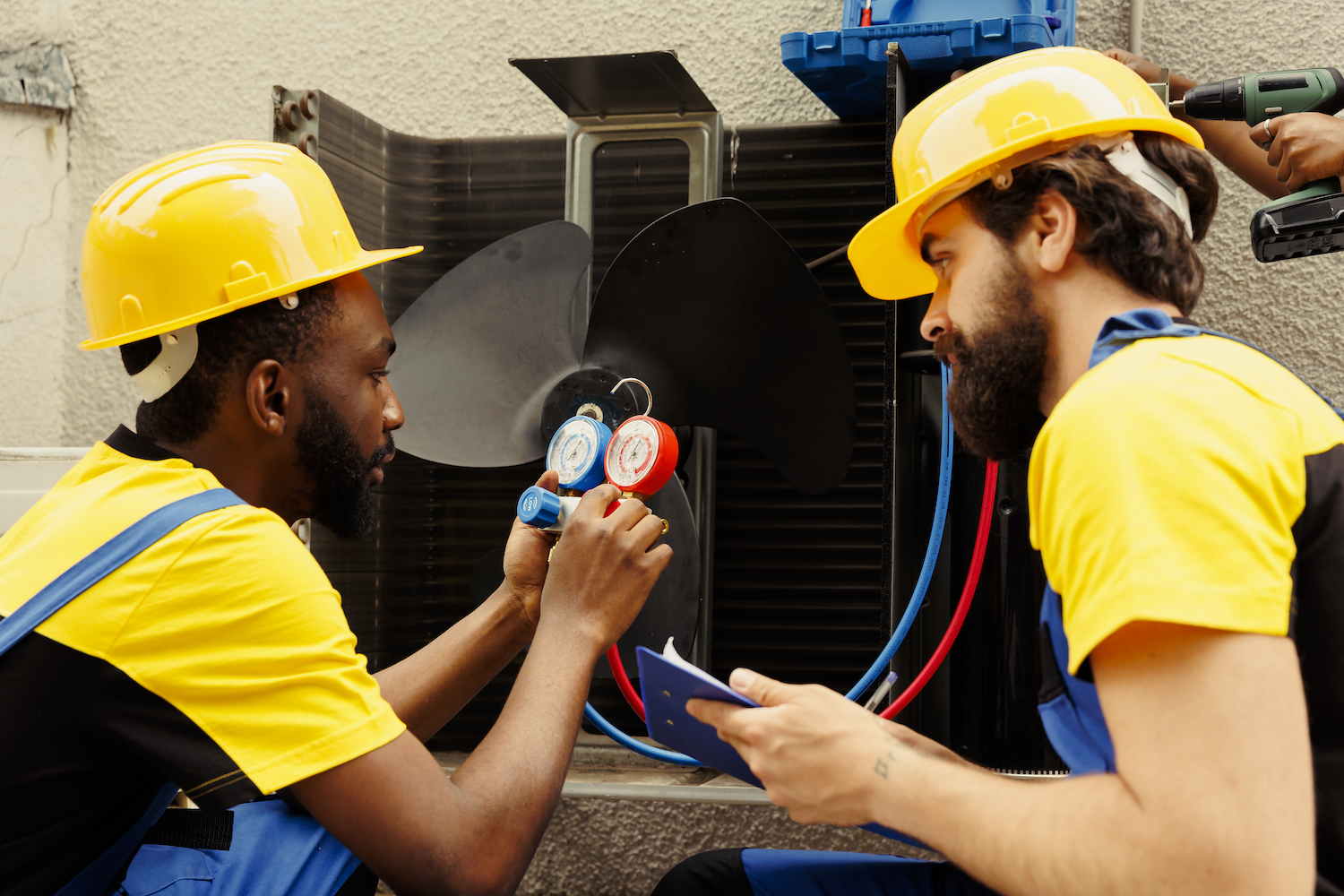
During a TAB process, an expert HVAC technician uses specialized instruments to measure airflow, temperature, and pressure throughout the system. Supply and return air are checked, air volumes are compared to design specifications, and adjustments are made to bring the system back into alignment. This can include setting dampers, adjusting fan speeds, or correcting airflow restrictions. Nothing is guessed. Everything is measured and verified.
Signs a System May Be Out of Balance
One of the biggest signs that a system hasn’t been properly balanced is uneven comfort. Some rooms may stay too warm while others are always cold. You might notice weak airflow from certain vents, or rooms that never quite reach the thermostat setting. In many cases, the equipment itself isn’t the problem. The air just isn’t being distributed correctly.
How TAB Affects Energy Efficiency
Energy efficiency is another reason TAB matters. When airflow is off, your system has to work harder to maintain temperature. That leads to longer run times, higher energy bills, and unnecessary wear on equipment. A balanced system delivers air where it’s needed without overworking the unit, which can help extend the life of the HVAC system and reduce operating costs.
Does a New HVAC System Need Testing and Balancing
Test and balance is especially important for new installations. Even a brand-new HVAC system can underperform if it hasn’t been properly balanced. Construction tolerances, duct layout, and field adjustments all affect airflow. TAB ensures the system operates as it was designed to from day one, rather than relying on assumptions.
When Test and Balance Is Most Useful
It’s also common after renovations, equipment upgrades, or changes to ductwork. Any time a system is modified, airflow can shift. What worked before may no longer be correct. Testing and balancing helps reset the system so everything works together again.
Why TAB Is Often Overlooked
Many homeowners and building owners aren’t aware that TAB is even an option. They assume comfort issues mean replacing equipment or living with the problem. In reality, testing and balancing is often a practical step that improves comfort, efficiency, and performance without major changes to the system. Think of this as wheel alignment of a car, test and balance is just like that.
What Properly Balanced HVAC Feels Like
HVAC Test and Balance isn’t about making the system louder, stronger, or more aggressive. It’s about precision. When air is delivered evenly and intentionally, the system feels quieter, rooms stay more consistent, and the HVAC equipment doesn’t have to fight against itself.
When TAB Might Be the Right Step
If your system struggles to keep up, certain rooms never feel right, or energy costs seem higher than they should be, TAB may be the missing piece. It’s a behind-the-scenes service that makes a noticeable difference in how your HVAC system actually performs day to day.
Emergency Leak Repair for Apartments & Condos: Who’s Responsible?
Few things cause panic faster than discovering a water leak in an apartment or condo. Water dripping from the ceiling, soaked floors, or a sudden burst pipe doesn’t just affect one unit and it can quickly spread to neighbors and shared spaces. One of the first questions people ask in these situations is simple but stressful: Who’s responsible for fixing this?
The answer isn’t always straightforward. Responsibility for emergency leak repair in apartments and condos depends on where the leak originates, what type of property it is, and how ownership is structured.
Why Leaks Are More Complicated in Apartments and Condos
Unlike single-family homes, apartments and condos share walls, plumbing lines, ceilings, and sometimes even water heaters. A leak in one unit can easily damage multiple units or common areas. That shared infrastructure means responsibility is often split between individual owners, landlords, and homeowners’ associations (HOAs).
In emergencies, delays caused by confusion can make water damage much worse. That’s why it’s very important to understand who is responsible for fixing the leak before the damage becomes irreparable.
Who should fix the leak if you are living in a rental apartment?
If you live in a rental apartment, responsibility is usually clearer.
In most cases, the landlord or property management company is responsible for emergency leak repair. This includes:
- Burst pipes inside walls
- Leaks from ceilings or floors
- Plumbing failures not caused by tenant misuse
- Water line or fixture failures that happen suddenly
As a tenant, your responsibility is to report the leak immediately. Waiting too long can sometimes make you partially liable if the damage worsens due to delayed reporting. You generally should not attempt major repairs yourself, especially during an emergency, unless your lease specifically allows it.
That said, tenants may be responsible if the leak was caused by negligence, such as damaging pipes during renovations or ignoring a slow leak for weeks.
Who should fix the leak if you are living in Condos: Owner vs HOA
Condos are more complex because ownership is split between individual units and shared property.
When condo owners need to fix a leak?
Condo owners are typically responsible for anything inside their unit’s boundaries, which often includes:
- Plumbing fixtures like sinks, toilets, and faucets
- Pipes that exclusively serve their unit
- Appliances such as dishwashers or washing machines that cause leaks
- Water damage inside their unit caused by internal plumbing issues
If a leak starts from your washing machine hose and damages your unit or the unit below, repairs often fall under your responsibility and insurance.
When is the HOA responsible to fix the leak?
The HOA generally handles common elements shared by all the condos in the building, which may include:
- Main water supply lines
- Pipes inside walls that serve multiple units
- Roof leaks
- Shared plumbing stacks
- Structural components
If a leak originates from a shared pipe or building infrastructure, the HOA usually coordinates emergency repairs. However, even if the HOA fixes the source, unit owners may still be responsible for repairs inside their own units unless HOA bylaws state otherwise.
What Happens When the Source Isn’t Clear
In many emergency leak situations, it’s not obvious where the water is coming from. Water may appear in one unit but originate several floors above or behind walls.
In these cases, emergency leak repair professionals often focus first on stopping the water, even before responsibility is fully determined. Once the source is identified, property managers, HOAs, and insurers can sort out costs afterward.
The priority should always be minimizing damage. Sorting out blame can wait until the emergency is under control.
Insurance and Emergency Leak Repairs
Insurance plays a major role in apartment and condo leak situations.
- Tenants usually rely on renters insurance for damage to personal belongings.
- Condo owners often use personal condo insurance (HO-6 policies) for interior damage.
- HOAs typically carry a master policy that covers common elements.
Insurance coverage varies widely, so it’s worth reviewing your policy before an emergency happens. Some policies cover sudden leaks but exclude damage from ongoing or poorly maintained issues.
What to Do When a Leak Happens
When water is actively leaking, speed matters more than paperwork.
First, shut off the water if you can safely do so. This might mean turning off a unit-level valve or, in some cases, contacting building maintenance to shut off a shared line.
Next, notify the appropriate party immediately. Tenants should contact their landlord or property manager. Condo owners should alert building management or the HOA, even if they believe the leak is inside their unit.
Calling an emergency leak repair service early can help locate the source quickly and prevent damage from spreading. Professional leak detection and repair can often reduce repair costs overall, even if multiple parties are involved.
Time is of essence when it comes to leak repair
In apartments and condos, leaks don’t stay contained. Water follows gravity and finds pathways through walls, ceilings, and electrical systems. What starts as a small leak in one unit can become a major building issue within hours.
Fast emergency response helps:
- Limit damage to neighboring units
- Reduce mold risk
- Protect structural elements
- Avoid disputes over delayed action
Property managers and HOAs often prefer working with emergency repair services that understand multi-unit buildings and can coordinate repairs efficiently.
Preventing Future Leak Emergencies
While emergencies can’t always be avoided, regular maintenance helps reduce risk. Condo owners and landlords should inspect appliances, hoses, and visible plumbing connections regularly. HOAs should maintain shared plumbing systems and address small issues before they escalate.
Clear communication between residents, property managers, and HOAs also makes emergencies easier to manage when they happen.
When leaks occur in apartments and condos, responsibility depends on the source, ownership boundaries, and building rules. What matters most in the moment is stopping the water quickly and getting professional help. The faster the response, the easier it is for everyone involved to recover and move forward.