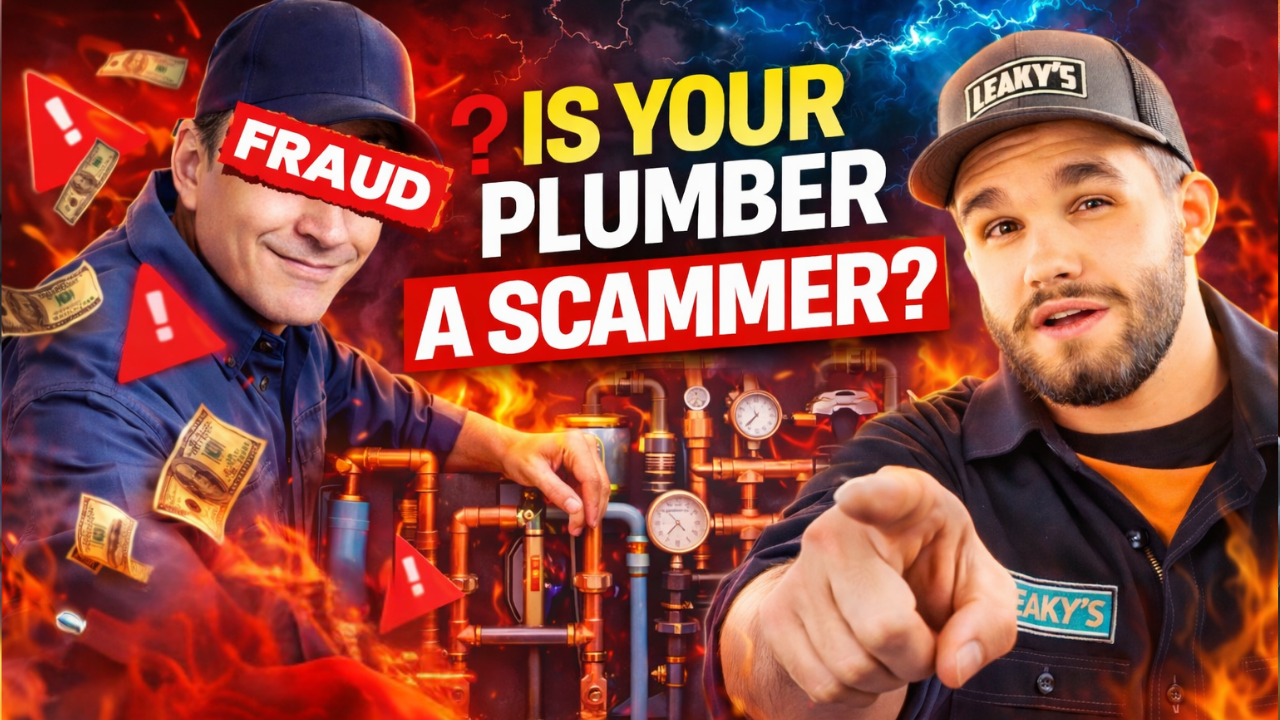
Many homeowners are caught off guard when a routine service visit suddenly turns into an urgent warning. Most people don’t object to paying for real repairs, but problems arise when fear is used instead of facts. Scams often rely on confusing language, rushed explanations, and pressure to decide immediately.
No one willingly agrees to unnecessary work. It happens when customers are overwhelmed with technical terms they don’t fully understand or are told serious consequences will follow if they hesitate. High-pressure tactics replace clear explanations, and recommended work isn’t supported with photos, tests, or evidence.
A legitimate professional explains the issue, shows proof, and gives you time to think. Scammers rely on urgency and emotion rather than transparency. Learning to recognize these patterns helps homeowners avoid costly mistakes and protect themselves from unnecessary repairs.
Common Signs of a Service Scam
Scams often follow familiar patterns that are easy to miss in the moment. Watch for vague diagnoses, refusal to show evidence, or claims that problems are “too dangerous” to explain clearly. Honest professionals welcome questions and provide straightforward answers without pressure.