
Are you living in Texas with a dirty sock syndrome smell in your home?
If you live in San Antonio or Lubbock and your heater kicks on with a smell that reminds you of dirty gym socks, there’s a good chance you’re dealing with something HVAC pros call Dirty Sock Syndrome. It’s not just in your head and lately, we’ve been seeing it more and more across Texas.
At Leaky’s, we get calls every fall and winter from homeowners asking the same question: “Why does my house smell weird when the heat comes on?” and we are always happy to explain the causes and possible solutions to you on the phone.
What Dirty Sock Syndrome Actually Is
Dirty Sock Syndrome is that musty, sour odor that usually shows up when your system switches from cooling to heating. It’s most noticeable first thing in the morning or on the first chilly days of the season, and then it may fade as the system keeps running.
The smell typically comes from buildup on the indoor coil where dust and moisture create a space for bacteria to grow, and when warm air passes over it, the odor gets pushed straight into your home which can be extremely unpleasant especially when you have just woken up.
Why We’re Seeing It More in San Antonio and Lubbock
Texas weather plays a big role here, just in different ways depending on where you live.
In San Antonio, long cooling seasons and high humidity mean AC systems run hard for most of the year. That moisture sticks around on coils longer, which makes it easier for odors to develop when the heating season finally arrives.
In Lubbock, it’s a different challenge. Dust is a constant issue, and when that dust mixes with moisture inside an HVAC system, it can build up faster than homeowners expect. This problem worsens if filters aren’t changed regularly or airflow isn’t ideal.
On top of that, newer, high-efficiency systems are designed to hold onto moisture longer to save energy. That’s great for your utility bill, but it does mean HVAC maintenance matters more than it used to.
Is Dirty Sock Syndrome Something to Worry About?
For most people, Dirty Sock Syndrome is more annoying than dangerous. That said, it can affect comfort and indoor air quality, especially for anyone with allergies or sensitivities. And if the smell keeps coming back year after year, it’s usually a sign something inside the system needs attention, and would not go away with just a temporary fix.
What Usually Fixes It
In many cases, the solution starts with a thorough cleaning of the indoor coil. Once the buildup is removed, the smell often disappears. Depending on the home and system, other options might include improving airflow, addressing humidity, or adding treatments that help prevent bacteria from coming back.
The key is finding the root cause rather than masking the odor with sprays or air fresheners, those don’t last and don’t solve the problem. If you are comfortable cleaning the coil yourself, then just a vacuum and a dry cloth might do the trick. If you are worried that you might end up breaking something while cleaning then don’t hesitate to give us a call.
How to Reduce the Chances of It Coming Back
Regular maintenance goes a long way, especially in Texas. Changing filters on schedule, keeping humidity under control, and having the system checked before seasonal changes can help prevent that first cold morning surprise.
If your system smells fine during the cooling season but starts acting up the moment the heater runs, then it could be some issue with the heating coil and worth getting an inspection done.
Dirty Sock Syndrome might sound funny, but if your home smells less than fresh when the heat comes on, your HVAC system is probably trying to tell you something — and it’s usually an easy fix once you know what to look for. Be careful of those big HVAC companies who might scare you with big words and push you to replace the entire HVAC system when all it needed was a good cleaning.
What Is HVAC Test and Balance (TAB)?
Most people think of their HVAC system as something that either works or doesn’t. If the air turns on and the temperature eventually feels right, it’s easy to assume everything is fine. But many heating and cooling systems that seem “normal” aren’t actually performing the way they were designed to. That’s where HVAC Test and Balance, often called TAB, comes in.
What Test and Balance of An HVAC System Actually Means
HVAC Test and Balance is the process of measuring, adjusting, and verifying how air moves through your heating and cooling system. The goal isn’t just to make sure air is blowing, but to make sure the right amount of air is reaching each room, at the right pressure, and at the right temperature. When a system is properly tested and balanced, it operates more efficiently and keeps the space more comfortable.
Why Airflow Matters More Than You Think
At its core, TAB focuses on airflow. Every HVAC system is designed with specific airflow requirements. Each room needs a certain amount of conditioned air to maintain consistent comfort. Over time, or even right after installation, those airflow levels can be off. Ductwork may not be adjusted correctly, dampers might be partially closed, or system changes could throw everything out of balance. Test and balance identifies those issues and corrects them.
What Happens During HVAC Test and Balance
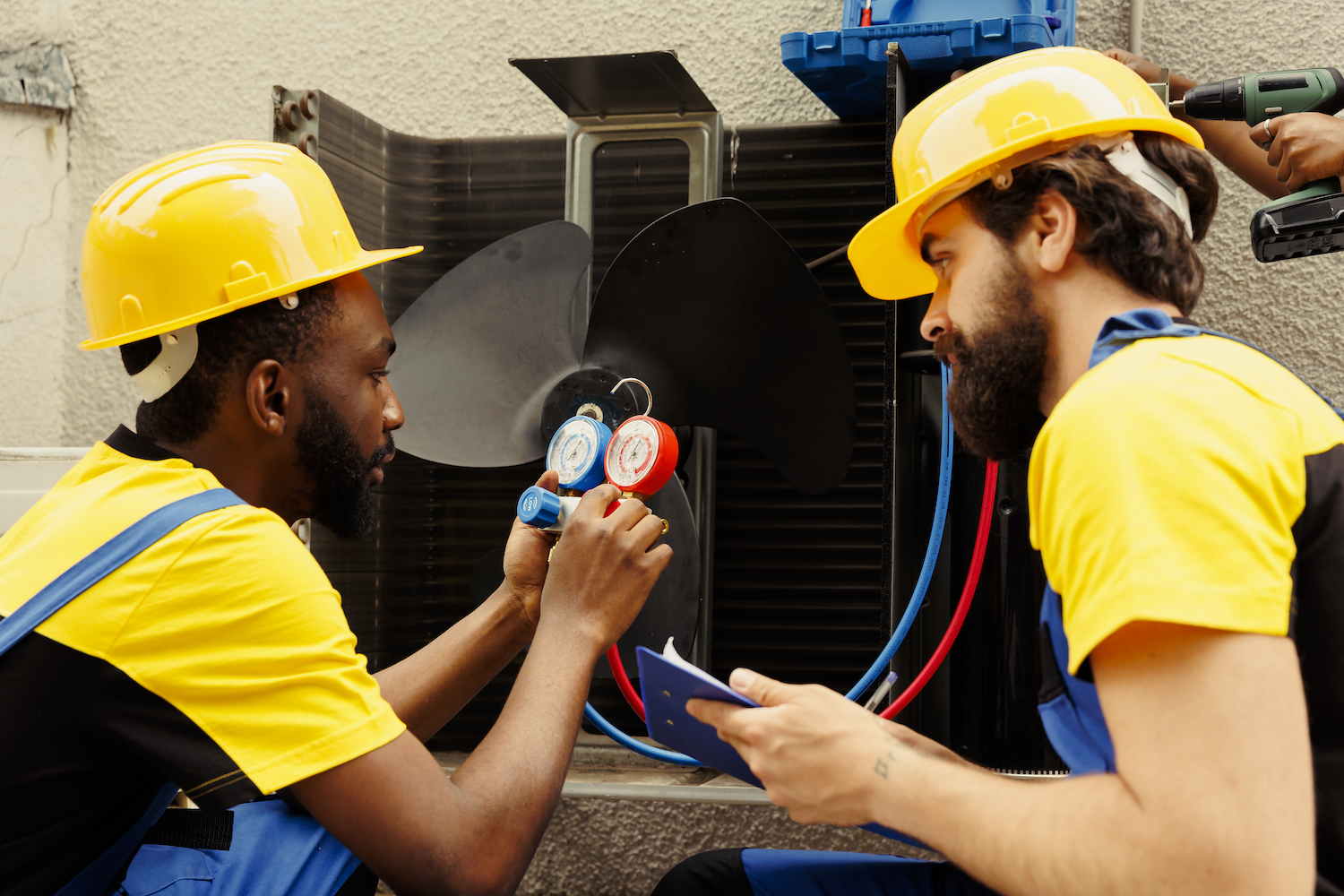
During a TAB process, an expert HVAC technician uses specialized instruments to measure airflow, temperature, and pressure throughout the system. Supply and return air are checked, air volumes are compared to design specifications, and adjustments are made to bring the system back into alignment. This can include setting dampers, adjusting fan speeds, or correcting airflow restrictions. Nothing is guessed. Everything is measured and verified.
Signs a System May Be Out of Balance
One of the biggest signs that a system hasn’t been properly balanced is uneven comfort. Some rooms may stay too warm while others are always cold. You might notice weak airflow from certain vents, or rooms that never quite reach the thermostat setting. In many cases, the equipment itself isn’t the problem. The air just isn’t being distributed correctly.
How TAB Affects Energy Efficiency
Energy efficiency is another reason TAB matters. When airflow is off, your system has to work harder to maintain temperature. That leads to longer run times, higher energy bills, and unnecessary wear on equipment. A balanced system delivers air where it’s needed without overworking the unit, which can help extend the life of the HVAC system and reduce operating costs.
Does a New HVAC System Need Testing and Balancing
Test and balance is especially important for new installations. Even a brand-new HVAC system can underperform if it hasn’t been properly balanced. Construction tolerances, duct layout, and field adjustments all affect airflow. TAB ensures the system operates as it was designed to from day one, rather than relying on assumptions.
When Test and Balance Is Most Useful
It’s also common after renovations, equipment upgrades, or changes to ductwork. Any time a system is modified, airflow can shift. What worked before may no longer be correct. Testing and balancing helps reset the system so everything works together again.
Why TAB Is Often Overlooked
Many homeowners and building owners aren’t aware that TAB is even an option. They assume comfort issues mean replacing equipment or living with the problem. In reality, testing and balancing is often a practical step that improves comfort, efficiency, and performance without major changes to the system. Think of this as wheel alignment of a car, test and balance is just like that.
What Properly Balanced HVAC Feels Like
HVAC Test and Balance isn’t about making the system louder, stronger, or more aggressive. It’s about precision. When air is delivered evenly and intentionally, the system feels quieter, rooms stay more consistent, and the HVAC equipment doesn’t have to fight against itself.
When TAB Might Be the Right Step
If your system struggles to keep up, certain rooms never feel right, or energy costs seem higher than they should be, TAB may be the missing piece. It’s a behind-the-scenes service that makes a noticeable difference in how your HVAC system actually performs day to day.
Emergency Leak Repair for Apartments & Condos: Who’s Responsible?
Few things cause panic faster than discovering a water leak in an apartment or condo. Water dripping from the ceiling, soaked floors, or a sudden burst pipe doesn’t just affect one unit and it can quickly spread to neighbors and shared spaces. One of the first questions people ask in these situations is simple but stressful: Who’s responsible for fixing this?
The answer isn’t always straightforward. Responsibility for emergency leak repair in apartments and condos depends on where the leak originates, what type of property it is, and how ownership is structured.
Why Leaks Are More Complicated in Apartments and Condos
Unlike single-family homes, apartments and condos share walls, plumbing lines, ceilings, and sometimes even water heaters. A leak in one unit can easily damage multiple units or common areas. That shared infrastructure means responsibility is often split between individual owners, landlords, and homeowners’ associations (HOAs).
In emergencies, delays caused by confusion can make water damage much worse. That’s why it’s very important to understand who is responsible for fixing the leak before the damage becomes irreparable.
Who should fix the leak if you are living in a rental apartment?
If you live in a rental apartment, responsibility is usually clearer.
In most cases, the landlord or property management company is responsible for emergency leak repair. This includes:
- Burst pipes inside walls
- Leaks from ceilings or floors
- Plumbing failures not caused by tenant misuse
- Water line or fixture failures that happen suddenly
As a tenant, your responsibility is to report the leak immediately. Waiting too long can sometimes make you partially liable if the damage worsens due to delayed reporting. You generally should not attempt major repairs yourself, especially during an emergency, unless your lease specifically allows it.
That said, tenants may be responsible if the leak was caused by negligence, such as damaging pipes during renovations or ignoring a slow leak for weeks.
Who should fix the leak if you are living in Condos: Owner vs HOA
Condos are more complex because ownership is split between individual units and shared property.
When condo owners need to fix a leak?
Condo owners are typically responsible for anything inside their unit’s boundaries, which often includes:
- Plumbing fixtures like sinks, toilets, and faucets
- Pipes that exclusively serve their unit
- Appliances such as dishwashers or washing machines that cause leaks
- Water damage inside their unit caused by internal plumbing issues
If a leak starts from your washing machine hose and damages your unit or the unit below, repairs often fall under your responsibility and insurance.
When is the HOA responsible to fix the leak?
The HOA generally handles common elements shared by all the condos in the building, which may include:
- Main water supply lines
- Pipes inside walls that serve multiple units
- Roof leaks
- Shared plumbing stacks
- Structural components
If a leak originates from a shared pipe or building infrastructure, the HOA usually coordinates emergency repairs. However, even if the HOA fixes the source, unit owners may still be responsible for repairs inside their own units unless HOA bylaws state otherwise.
What Happens When the Source Isn’t Clear
In many emergency leak situations, it’s not obvious where the water is coming from. Water may appear in one unit but originate several floors above or behind walls.
In these cases, emergency leak repair professionals often focus first on stopping the water, even before responsibility is fully determined. Once the source is identified, property managers, HOAs, and insurers can sort out costs afterward.
The priority should always be minimizing damage. Sorting out blame can wait until the emergency is under control.
Insurance and Emergency Leak Repairs
Insurance plays a major role in apartment and condo leak situations.
- Tenants usually rely on renters insurance for damage to personal belongings.
- Condo owners often use personal condo insurance (HO-6 policies) for interior damage.
- HOAs typically carry a master policy that covers common elements.
Insurance coverage varies widely, so it’s worth reviewing your policy before an emergency happens. Some policies cover sudden leaks but exclude damage from ongoing or poorly maintained issues.
What to Do When a Leak Happens
When water is actively leaking, speed matters more than paperwork.
First, shut off the water if you can safely do so. This might mean turning off a unit-level valve or, in some cases, contacting building maintenance to shut off a shared line.
Next, notify the appropriate party immediately. Tenants should contact their landlord or property manager. Condo owners should alert building management or the HOA, even if they believe the leak is inside their unit.
Calling an emergency leak repair service early can help locate the source quickly and prevent damage from spreading. Professional leak detection and repair can often reduce repair costs overall, even if multiple parties are involved.
Time is of essence when it comes to leak repair
In apartments and condos, leaks don’t stay contained. Water follows gravity and finds pathways through walls, ceilings, and electrical systems. What starts as a small leak in one unit can become a major building issue within hours.
Fast emergency response helps:
- Limit damage to neighboring units
- Reduce mold risk
- Protect structural elements
- Avoid disputes over delayed action
Property managers and HOAs often prefer working with emergency repair services that understand multi-unit buildings and can coordinate repairs efficiently.
Preventing Future Leak Emergencies
While emergencies can’t always be avoided, regular maintenance helps reduce risk. Condo owners and landlords should inspect appliances, hoses, and visible plumbing connections regularly. HOAs should maintain shared plumbing systems and address small issues before they escalate.
Clear communication between residents, property managers, and HOAs also makes emergencies easier to manage when they happen.
When leaks occur in apartments and condos, responsibility depends on the source, ownership boundaries, and building rules. What matters most in the moment is stopping the water quickly and getting professional help. The faster the response, the easier it is for everyone involved to recover and move forward.

The Homeowner Traps No One Warns You About
What Every Homeowner Needs to Know Before Calling a Service Company
Most homeowners believe that when something breaks, calling a professional means getting honest help.
Unfortunately, that’s not always the case.
Behind the scenes of the home service industry, there’s a system many homeowners never see, one that quietly turns confusion, fear, and urgency into profit. The Homeowner Protection Guide was created to pull back the curtain and help homeowners protect themselves before they become the next victim.
Here’s a look at what our guide reveals, download your copy today
The $39 Service Call That Was Never a Deal
You’ve probably seen the ads:
“Drain clogged? We’ll fix it for $39.”
What most homeowners don’t realize is that it costs far more than that just to send a technician to your home. That low price is often bait, designed to get someone through your door so the real selling can begin once you’re stressed, rushed, or unsure.
If a deal sounds too good to be true, it usually is a scam.
When the “Technician” Is Really a Salesperson
Many homeowners are shocked to learn that some technicians are paid 100% commission. That means they don’t get paid unless you buy something.
The result?
Pressure. Long conversations. Fear-based language. And recommendations that go far beyond the original problem.
One of the simplest protections the guide recommends: ask how the technician is paid. The answer tells you a lot.
If You Can’t See the Problem, You Can’t Protect Yourself
Another common tactic exposed in the guide is diagnosing problems homeowners can’t see or verify.
From being told refrigerant is “bone dry” when it’s actually full, to vague explanations meant to confuse rather than inform, lack of visibility turns your home into a goldmine for dishonest companies.
The guide emphasizes a simple rule: any reputable company should be willing to explain and show you what’s wrong.
Fear Is the Fastest Way to Force a Sale
“You need a full repipe.”
“Your water heater could explode.”
“If we don’t do this right now, your house could be at risk.”
Fear-based emergency tactics are one of the most powerful tools used to rush homeowners into expensive decisions before they can get a second opinion. The guide makes it clear: never sign anything under pressure, and always pause if something feels off.
Why This Guide Matters
The Homeowner Protection Guide wasn’t created to scare homeowners, it was created to educate and empower them so they don’t get scammed by these big HVAC companies.
When you understand the traps, you’re far less likely to fall into them.
Download the Free Homeowner Protection Guide
If you own a home or plan to, you owe it to yourself to read this guide before your next service call.
It breaks down:
- The most common homeowner scams
- What questions to ask before agreeing to repairs
- How to spot sales tactics disguised as “help”
- How to protect your home, your money, and your peace of mind
Download the Homeowner Protection Guide now and make sure you’re informed before something breaks.
Can Frozen Pipes Thaw on Their Own?
Frozen pipes can thaw on their own when temperatures rise above freezing, which often happens during the daytime in Texas after a cold night. While this may sound reassuring, the thawing process is actually when pipes are most likely to fail. As ice melts inside the pipe, water pressure builds and can cause cracks or sudden bursts.
Why is thawing of frozen pipes dangerous?
Many homeowners assume pipes only break while frozen, but the real risk often comes afterward. When water begins flowing again, weakened sections of pipe may not handle the pressure. This can result in leaks behind walls, under floors, or in ceilings that go unnoticed until serious damage has occurred.
Why are homes in Texas more vulnerable?
Texas homes are not typically built for extended freezing weather. Pipes are often located in attics, garages, crawl spaces, or exterior walls with limited insulation. When a hard freeze hits, these areas cool quickly and stay cold longer, increasing the chance of frozen and burst pipes once thawing begins.
Signs you may have a frozen pipe
A frozen pipe does not always announce itself clearly. You may notice little or no water coming from a faucet, or only a slow trickle (although this could be due to clogged drain as well). Frost on exposed pipes can be another sign. In some cases, strange smells from drains may appear when water is blocked by ice.
Should you wait for pipes to thaw naturally?
Waiting for warmer temperatures can work in mild cases, but it carries risk. If the frozen section is hidden and the pipe bursts during thawing, water damage can escalate quickly. Turning off the main water supply is a smart precaution if you suspect a frozen pipe and cannot safely access it.
Safe ways to help frozen pipes thaw
If the frozen pipe is accessible, gentle warming can reduce the risk of damage. Opening cabinet doors allows warmer air to reach pipes under sinks. A space heater placed safely in the room can raise the temperature, and a hair dryer can be used on exposed pipes, starting near the faucet and moving slowly toward the frozen area. Avoid open flames or high heat, which can damage pipes and create fire hazards.
What to do after the pipe thaws?
Once water flow returns, do not assume the problem is over. Check carefully for leaks around sinks, appliances, walls, ceilings, and attics. Freezing of the pipes could have left small cracks and they may only show signs of moisture at first but can worsen over time if left untreated.
Preventing frozen pipes in Texas
Prevention is especially important in a climate where freezing temperatures are unpredictable. Letting faucets drip during cold nights can relieve pressure in pipes. Insulating exposed pipes in attics and garages helps protect them from sudden cold snaps. Sealing gaps where cold air enters and keeping the home heated consistently, even when away, can significantly reduce the risk of frozen pipes during Texas winters.
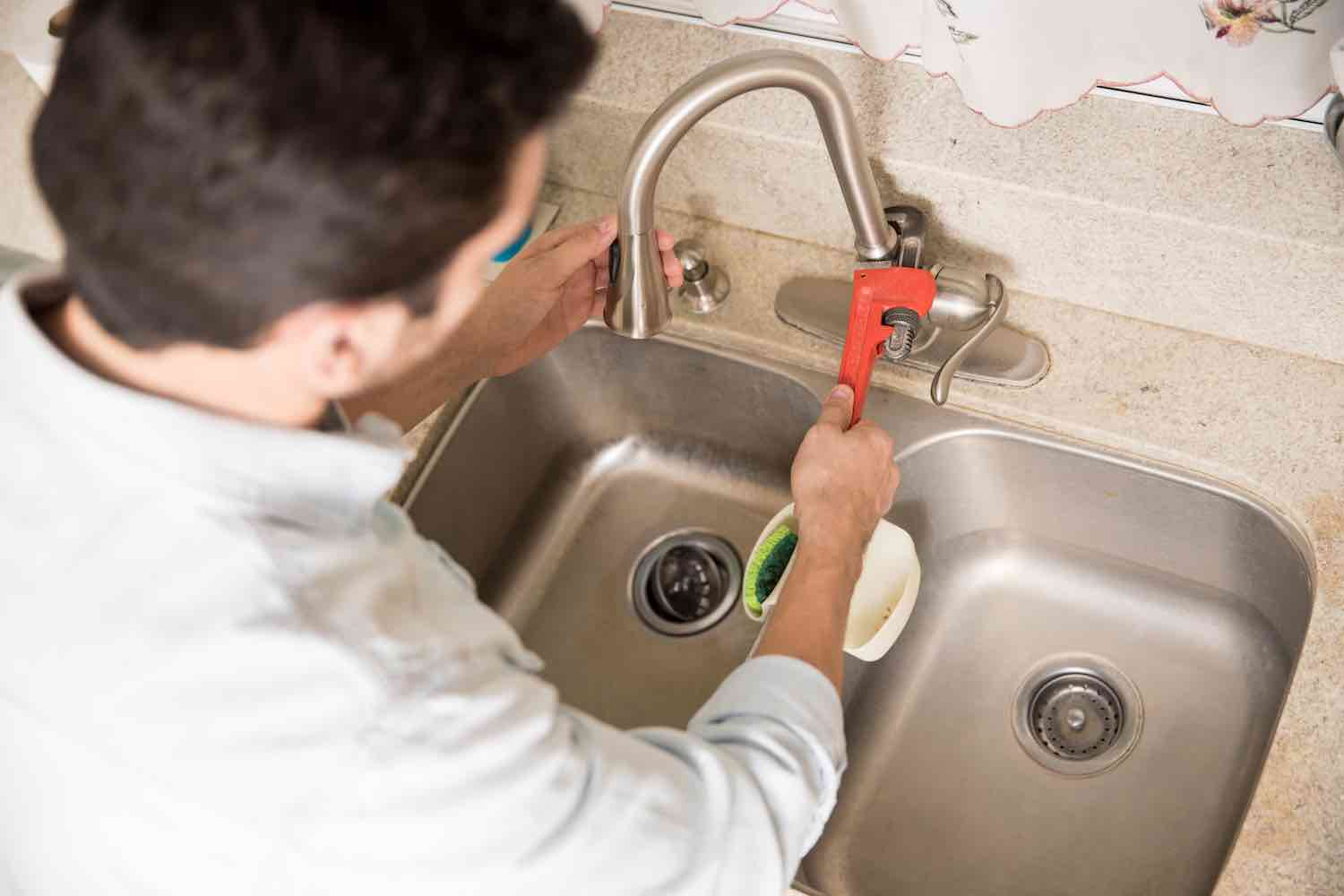
Looking to Get Your Leaky Kitchen Faucet Fixed? How to Avoid Getting Scammed
A leaky kitchen faucet might not seem like a big deal at first. It starts as an annoying drip, then turns into higher water bills, water stains, or even cabinet damage. If you live in Texas in a big city like San Antonio or a small one like Lubbock, you’ve probably noticed there’s no shortage of plumbers willing to fix it for you. Unfortunately, that also means there are a few bad actors who take advantage of homeowners who just want the problem gone quickly.
Go online and read some of the experiences of homeowners on Reddit and FB groups and you will realize that a lot of people have been scammed by companies promising to fix your leaky faucet and charging a lot of money when all it needed was a quick fix.
Why Faucet Repairs Are a Common Scam Target
Kitchen faucet repairs are often small jobs, and that’s exactly why scammers like them. Many homeowners don’t know what a fair price looks like for a cartridge replacement, washer repair, or valve fix. In older homes around San Antonio’s historic neighborhoods or Lubbock’s established residential areas, plumbers may claim the problem is more serious than it really is.
A simple drip is often caused by a worn-out cartridge or O-ring, parts that usually cost very little, can be bought at a hardware store and probably can be installed on your own as part of a DIY fix. Yet some homeowners are told the entire faucet must be replaced or that there’s a major pipe issue hiding behind the wall. While that can happen, it’s far less common than some contractors make it sound.
Red Flags to Watch for When Hiring a Plumber
One of the biggest warning signs is vague pricing. If a plumber shows up and refuses to give even a rough estimate before starting work, that should raise concerns. Reputable plumbers understand that homeowners need transparency, especially for smaller repairs like a leaking faucet.
Another common issue is pressure tactics. If someone insists that the leak is an emergency that must be fixed immediately or you’ll face catastrophic damage, pause for a moment. A steady drip wastes water, but it rarely requires panic-level decisions.
Also be cautious if the plumber won’t explain what’s wrong in plain language. You don’t need a technical lecture, but you should understand what part is failing and why it needs repair or replacement.
However, there are plumbers who charge an initial inspection fee ranging from $50-$80 and that is fairly reasonable as they need to invest in their time and travel expenses. If they are charging you an inspection fee, that’s normal and doesn’t indicate that they are scamming you.
Do a Little Homework Before You Call
Before reaching out to a plumber, take a few minutes to research average costs in your area. Faucet repairs in San Antonio may run slightly different than faucet leak detection repair in Lubbock, but in most cases, basic fixes fall into a predictable range. Knowing this helps you recognize when a quote is unusually high.
It’s also worth checking whether your faucet is still under warranty. Many popular brands used in Texas homes offer lifetime warranties on parts. A trustworthy plumber will tell you this upfront rather than charging you for parts you could get for free.
Why Local Experience Matters
Texas plumbing isn’t one-size-fits-all. Homes in San Antonio often deal with hard water issues that wear out faucet components faster, while Lubbock homes may experience pressure fluctuations or sediment buildup. A plumber who understands local conditions is more likely to diagnose the real issue instead of guessing.
Local professionals also rely heavily on reputation. In both San Antonio and Lubbock, word travels fast. Plumbers who cut corners or overcharge don’t stay in business long, which is why checking local reviews and recommendations is so important.
Ask the Right Questions Before Work Begins
You don’t have to interrogate the plumber, but a few simple questions can protect you. Ask what part is causing the leak, whether it can be repaired instead of replaced, and what the total cost will be including labor and parts. A legitimate plumber will answer without hesitation.
It’s also reasonable to ask if there are multiple repair options. Sometimes a short-term fix is cheaper, while a longer-term solution may cost more but save money over time. Being given a choice is a good sign you’re dealing with an honest professional.
Get It in Writing
Even for small jobs, written estimates matter. This doesn’t have to be a long contract, but it should clearly state what work will be done and what it will cost. In cities like San Antonio and Lubbock, licensed emergency plumbers are accustomed to providing documentation and warranties for their work.
If someone refuses to put anything in writing, that’s usually a sign to keep looking.
Always trust your instincts. If something feels off, it probably is. There are plenty of honest, skilled plumbers in Texas who are happy to explain the issue, charge fairly, and leave your kitchen better than they found it. Make sure to read their Google reviews and call a verified technician to your home.

Preparing Your Home for Christmas Guests: Heating and Plumbing Checks You Shouldn’t Skip
Christmas in Texas may look different depending on where you are, but one thing stays the same, when family and friends come to stay, your home’s heating and plumbing work overtime. Whether you’re hosting guests in Lubbock, where winter temperatures can drop quickly, or San Antonio, where holiday gatherings still put extra strain on your systems, preparation is key.
A few simple checks before Christmas can help you avoid unexpected breakdowns, cold nights, or plumbing problems when you least want them.
Do You Check Your Heating System Before the Cold Sets In?
Even in Texas, winter cold snaps can arrive suddenly, especially in West Texas.
- Turn your heating on early and make sure it’s warming your home evenly.
- Check for cold spots in rooms or uneven airflow.
- Listen for unusual noises from your furnace or heat pump.
- Test your thermostat and replace batteries if needed.
In cities like Lubbock, heating systems often work harder and longer, making early inspections especially important. A professional tune-up can help catch issues before they become emergencies.
Make Sure Your Home Can Handle Extra Hot Water Use
Christmas guests mean more showers, more handwashing, and more dishes.
- Check that your water heats up quickly and stays consistent.
- Watch for fluctuating temperatures or low pressure.
- If you have a water heater, make sure it’s keeping up with demand.
Hot water issues often show up when a system is under strain, exactly what happens during the holidays.
Inspect Bathrooms and Toilets
Bathrooms are one of the most-used areas of the home when hosting guests.
- Make sure toilets flush properly and refill without running.
- Fix dripping taps or small leaks before they worsen.
- Clear slow drains to avoid holiday blockages.
In older homes, common in parts of San Antonio, small plumbing problems can escalate quickly if ignored.
Don’t Forget the Kitchen Plumbing
The kitchen becomes the heart of the home at Christmas and the most common place for plumbing trouble.
- Avoid putting grease, oils, or food waste down the sink.
- Check the sink, garbage disposal, and dishwasher for slow drainage.
- Ensure your shut-off valve is easy to access in case of an emergency.
A blocked kitchen sink on Christmas Day is one problem no host wants to deal with.
Protect Pipes From Cold Weather
While freezing temperatures are more common in Lubbock, even San Antonio can experience sudden cold spells.
- Insulate exposed pipes in garages, outdoor walls, or utility rooms.
- Seal drafts near pipework.
- If you’re leaving home for the holidays, keep the heating set to a low, steady temperature.
Frozen pipes can burst and cause costly damage often when homes are empty.
Know Who to Call If Something Goes Wrong
Even with the best preparation, emergencies can still happen during the holidays.
Having a trusted local heating and plumbing company serving Lubbock and San Antonio, Texas, gives you peace of mind if something goes wrong at the last minute. Acting quickly can often prevent further damage and restore comfort fast.
Enjoy a Warm, Stress-Free Texas Christmas
Preparing your heating and plumbing systems before Christmas guests arrive helps ensure your home stays warm, comfortable, and worry-free—no matter which part of Texas you’re celebrating in.
If you need a pre-Christmas heating or plumbing check, or if you find yourself facing a last-minute issue, our local team proudly serves Lubbock and San Antonio, offering reliable, professional support when you need it most.

How Homeowners Get Cheated by Big HVAC Companies. Go Local
When your heating or air conditioning system stops working, it immediately feels like an emergency. Whether it’s the middle of summer or the dead of winter, most homeowners just want the problem fixed as quickly as possible. Unfortunately, that sense of urgency is exactly what some large HVAC companies rely on and it’s why so many people end up paying for repairs or full system replacements they never actually needed.
This doesn’t mean every big HVAC company is dishonest, but many operate under a sales-driven model rather than a repair-focused one. The technician who shows up at your door may be under pressure to sell, not to solve the issue which sometimes is as simple as cleaning the vent with vacuum.
A very common scenario starts with a relatively small issue. Something like a failed capacitor, a dirty flame sensor, a clogged drain line, or a loose electrical connection can shut down an entire system. These are routine repairs that experienced technicians fix every day. But instead of addressing the real problem, some companies immediately declare the system to be “failing” or “unsafe” and recommend a complete replacement. Suddenly, a problem that could have cost a few hundred dollars turns into a quote for thousands.
To justify that price, homeowners are often bombarded with technical language that sounds serious but is rarely explained clearly. Terms are thrown around quickly, and questions are answered vaguely or brushed off. Most people don’t work in HVAC, and they shouldn’t be expected to. Still, confusion is sometimes used as a tool if you don’t fully understand what’s being said, it’s easier to feel like replacement is the only safe option.
Another major issue is commission-based pay. Many large HVAC companies reward technicians for selling new systems, upgrades, and add-ons. When income depends on how much is sold, recommendations can become biased. Repairs that would extend the life of a system are overlooked because replacement is more profitable.
Pressure is often added to the mix. Homeowners are told the price is only good for today, or that waiting could cause catastrophic failure. Fear and urgency take over, and people agree to expensive work just to make the stress go away.
This is where local HVAC companies stand apart.
A local technician’s business depends almost entirely on trust and reputation. They don’t have a massive marketing budget to fall back on. If they overcharge or mislead customers, word spreads fast. Because of that, local professionals are far more likely to fix what’s actually broken and be honest about what can wait.
Instead of confusing explanations, good local techs speak in plain language that homeowners can understand easily. They show you the failed part, explain why it stopped working, and let you know what your options are. Sometimes the answer really is replacement but many times it isn’t, and they’ll tell you that too.
Pricing is usually more straightforward as well. You’re paying for the repair that’s needed, the labor involved, and the parts required, not bundled packages, unnecessary upgrades, or premature replacements.
There’s also a level of accountability you simply don’t get with large corporations. When the owner’s name is on the truck and the company serves the same community year after year, doing right by customers matters.
As a homeowner, you always have the right to ask questions. What exactly failed? Can it be repaired? What happens if you wait? A trustworthy technician won’t rush you or make you feel uncomfortable for asking.
Your HVAC system is a major investment, and decisions about it shouldn’t be driven by fear, confusion, or sales pressure. While big HVAC companies focus on volume and profit, local professionals focus on people, fairness, and long-term relationships.
When something goes wrong, calling someone local often means clearer answers, fairer pricing, and repairs that actually make sense. And in the long run, that honesty saves far more than money, it saves peace of mind.
How to find a reliable plumber in Lubbock, Texas?
Whether it’s a faucet that won’t stop dripping, a pipe that bursts at the worst possible moment, or a water heater that suddenly quits, plumbing problems have a way of disrupting everything. When that happens, having a dependable plumber in Lubbock, TX isn’t just helpful, it’s essential. The right professional can take a stressful situation and turn it into a quick, manageable fix.
Plumbing issues are rarely as simple as they look, sometimes DIY attempts end up with flooding the entire home. While it might be tempting to tackle a repair on your own, small mistakes can lead to recurring leaks, water damage, or even voided warranties on fixtures and appliances. A licensed plumber brings more than tools to the job. They bring experience, training, and the ability to catch hidden issues before they turn into expensive repairs. In the long run, professional plumbing service often saves both time and money.
If you’re trying to find a reliable plumber in Lubbock, a few practical tips can make the process much easier:
- Make sure the plumber is properly licensed and insured in Texas. This protects both you and your home and ensures the work meets state standards.
- Look for experience with local plumbing systems. Lubbock homes often deal with hard water, shifting temperatures, and older pipes, so local knowledge matters.
- Take a few minutes to read online reviews. Honest feedback from other homeowners can reveal a lot about reliability, pricing, and customer service.
- Ask for clear pricing before work begins. A trustworthy plumber will explain the problem and provide upfront estimates with no hidden fees.
- Pay attention to communication. A good plumber should answer your questions, explain your options, and keep you informed throughout the repair.
- Consider response time, especially for emergencies. Burst pipes and sewer backups can’t wait, and local professionals usually respond faster.
This is where Leaky’s HVAC & Plumbing comes in. As a trusted local provider serving Lubbock and the surrounding communities, Leaky’s understands the unique plumbing challenges West Texas homeowners face. Their licensed technicians handle everything from minor leaks and clogged drains to full pipe replacements and water heater repairs, all with attention to detail and long-term solutions in mind.
Leaky’s HVAC & Plumbing is known for dependable service, fair pricing, and technicians who show up on time and treat your home with respect. They don’t just fix the problem—they make sure it’s done right, with warranties that give you added peace of mind.
Plumbing problems are stressful enough without worrying about who to call. With Leaky’s HVAC & Plumbing, you get a reliable local team that’s ready to help when you need it most.
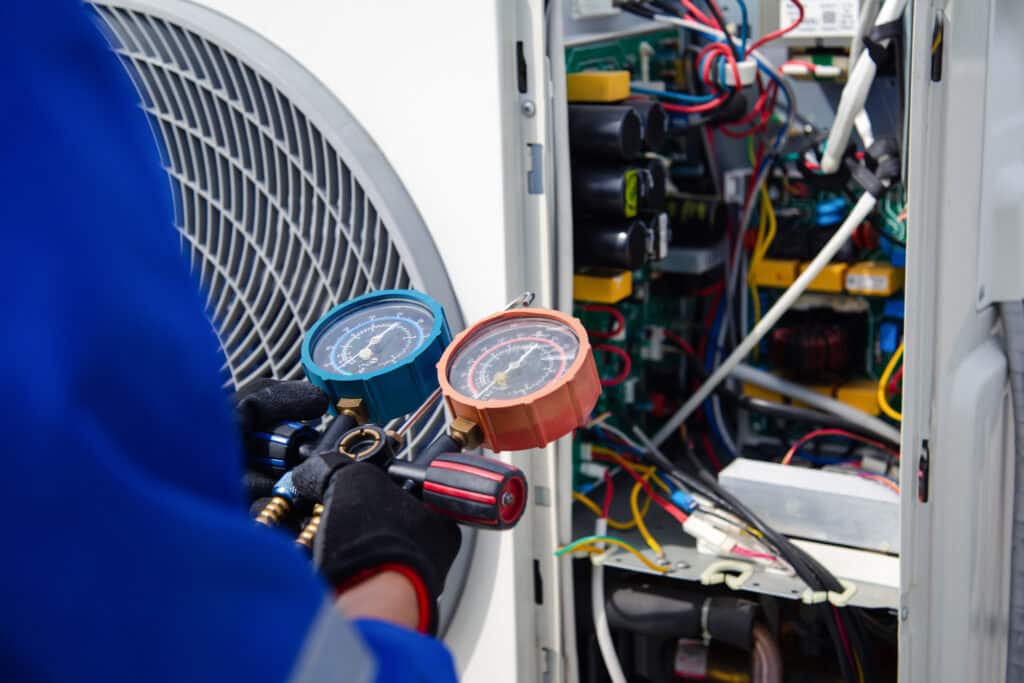
Supply Chain Pressures Are Affecting HVAC Costs Across Texas, Here’s How Leaky’s Is Helping Homeowners Avoid the Price Pinch
Across Texas, homeowners are hearing more about rising HVAC costs and for good reason. Between hotter summers, growing demand for high-efficiency systems, and major changes in refrigerant regulations, the HVAC industry is under real pressure. One of the biggest challenges right now is the supply chain strain tied to new low-GWP refrigerants, especially R-454B.
While these changes are necessary and positive in the long run, they’ve made installations more expensive for many contractors across the state. At Leaky’s, however, we’ve worked hard to keep our pricing steady, so Texas homeowners aren’t hit with sudden or unexpected increases.
Why Refrigerants Like R-454B Are Becoming the New Standard
Federal regulations are phasing out older refrigerants such as R-410A in favor of lower-global-warming-potential alternatives to ensure America’s carbon footprint reduces progressively. R-454B is one of the leading replacements, offering a much smaller environmental footprint while maintaining strong performance in extreme heat, something that residents of Texas suffer through each year.
The transition, though, hasn’t been seamless. Equipment designed for R-454B requires updated components, additional safety considerations, and specialized technician training. All of that has added cost and complexity at the manufacturing and distribution levels.
How Supply Chain Pressure Is Showing Up in Texas
Texas is one of the largest HVAC markets in the country, and demand here is relentless because it’s one of the hottest states in the USA. As more systems shift to low-GWP refrigerants, contractors across the state are dealing with:
- Limited availability of new-generation equipment
- Higher refrigerant costs
- Longer lead times from manufacturers
- Increased wholesale pricing
For many homeowners, this has translated into higher quotes and fewer options, particularly during peak cooling season when systems fail unexpectedly. If you tried to install a new HVAC system recently, you might have seen a higher cost than what you would have paid say 2-3 years ago.
What This Means for Texas Homeowners
In a state where air conditioning isn’t a luxury but a necessity, HVAC replacements are rarely optional. When prices jump because of supply chain issues, it can feel like homeowners are being squeezed from all sides especially with rising energy bills and other household costs already top of mind.
We hear this concern every day from homeowners in Lubbock and San Antonio where we serve regularly. They simply want reliable comfort without feeling like they’re paying extra because of industry changes beyond their control.
How Leaky’s Is Working to Keep Pricing Stable
At Leaky’s, we’ve taken deliberate steps to soften the impact of these supply chain pressures for our customers. By forecasting demand, securing inventory early, and maintaining strong relationships with suppliers, we’ve been able to manage rising costs internally instead of passing them directly onto homeowners.
Even as refrigerant and equipment costs fluctuate across Texas, our focus has been on consistent, transparent pricing so families can plan with confidence and avoid sticker shock when they need a new system.
This approach reflects what we believe: homeowners shouldn’t be penalized for doing the right thing by upgrading to more efficient, environmentally responsible HVAC systems. This is something that big companies are doing because they have their brand name and trust built over the years, so it is easy for them to cheat the customer and overcharge them.
Why This Commitment Matters to Us
Texas homeowners rely on their HVAC systems more than most. Extended heat waves, high humidity, and heavy system usage mean replacements and upgrades are inevitable. In times like these, stability matters.
By keeping our pricing steady during a major industry transition, we aim to give our customers peace of mind knowing they’re getting modern systems designed for Texas heat, without inflated short-term pricing driven by supply chain disruption.
The move toward low-GWP refrigerants like R-454B is here to stay, and over time, supply chains will stabilize. Until then, Leaky’s remains committed to protecting Texas homeowners from unnecessary cost increases while delivering dependable comfort year-round.
If you’re considering replacing or upgrading your HVAC system and have questions about refrigerants, pricing, or availability, our team is always happy to help, no pressure, just honest guidance.