

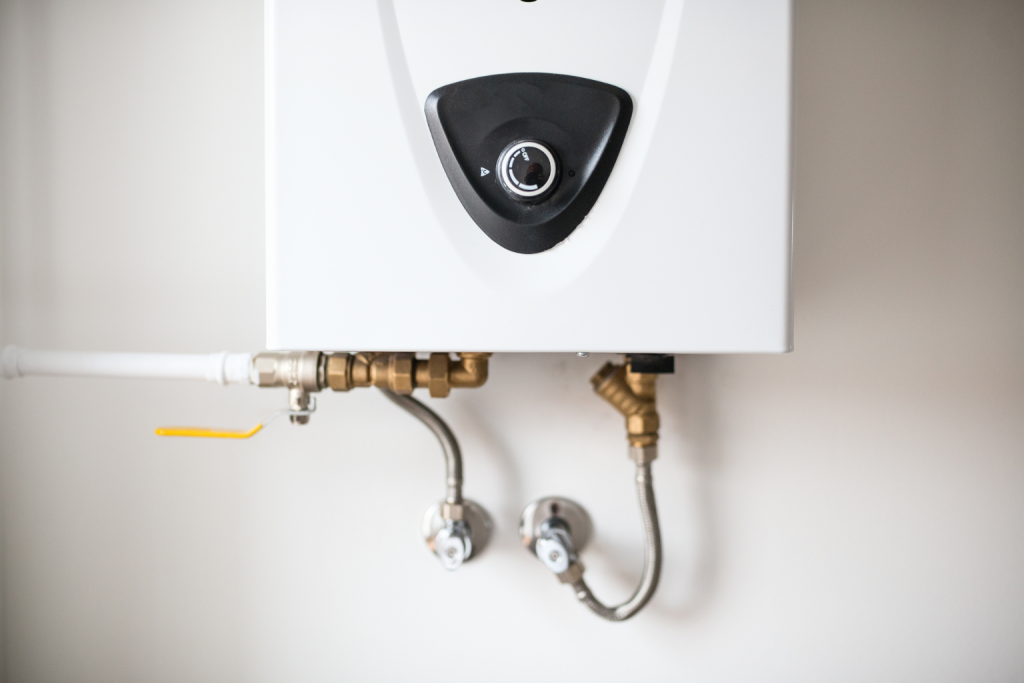
Tankless water heaters are popular for good reason, they’re efficient, provide endless hot water, and take up very little space. Perfect choice if you have space constraints which can be an issue when you live in San Antonio. But one question homeowners often ask is whether they also need a water softener to go with their tankless system. The short answer: if you live in an area with hard water (and many regions do), adding a water softener is one of the best things you can do to protect your tankless heater and keep it operating efficiently for years. And before you start questioning whether San Antonio has hard water or not, yes, San Antonio’s water is hard, and the hardness is widespread across the city due to its dependence on limestone-fed aquifers. If you live anywhere in San Antonio under SAWS (or nearby water systems drawing from similar groundwater sources), you should assume you’re getting hard water.
Why does hard water harm tankless water heaters?
Hard water contains high levels of minerals like calcium and magnesium. When that water flows through a tankless heater, those minerals can coat the heat exchanger and internal components. This scaling reduces efficiency, restricts flow, makes the unit work harder, and can eventually cause premature failure. Unlike a traditional tank system, which collects sediment along the bottom, tankless units push water through narrow pathways that are far more sensitive to buildup. Even a thin layer of mineral scale can impact performance, leading to fluctuating temperatures, error codes, or the heater shutting down entirely.
How does water softener help with reducing damage through hard water?
Using a water softener dramatically reduces the amount of mineral buildup the heater has to deal with. With fewer minerals traveling through the system, your tankless heater doesn’t have to work as hard, which typically means longer lifespan, fewer repairs, and better energy efficiency. Homeowners often notice more consistent hot water performance and fewer maintenance issues overall. While tankless units still need annual flushing, softened water makes the process easier and reduces how much scale is removed each year.
Excessive scaling due to hard water can void your tankless heater warranty
Another important thing to consider is warranty protection. Many tankless manufacturers note that improper maintenance or excessive scaling can void parts of the warranty. They may not require a water softener outright, but they do expect homeowners to keep mineral buildup under control. If you live in a hard-water area and skip this step, you could face unexpected costs down the line.
Of course, not everyone needs a softener. If your home has naturally soft water or if a water quality test shows low mineral levels, your tankless heater may not require additional equipment. But in regions where hardness is common, a softener is more of a smart investment than an optional add-on. It protects your plumbing fixtures, reduces soap and detergent use, and keeps appliances from the dishwasher to the tankless heater running more efficiently.
Ultimately, pairing a tankless water heater with a water softener is about prevention. A small upfront investment often pays off through reduced maintenance, better performance, and longer equipment life. If you’re not sure about your home’s water hardness, a quick water test can give you clear answers and help you decide whether a softener is right for your system. If you’re installing a new tankless unit or dealing with frequent scaling or performance issues, now is the perfect time to explore your options, call us anytime and we can help guide you with the best solution for your tankless water heater.