


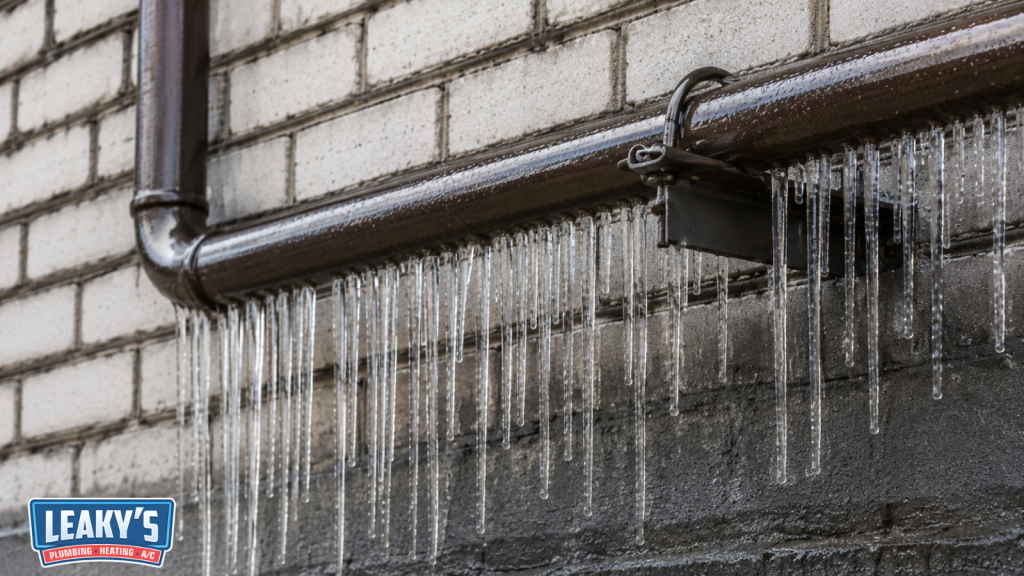
Burst pipes are flooding homes across West Texas and South Texas as warming temperatures expose cracks caused by the recent hard freeze. As ice trapped inside pipes begins to thaw, weaknesses formed during days of below-freezing temperatures are giving way.
Emergency crews in Lubbock and San Antonio report a surge in water-related calls, with fire departments responding to dozens of reports of burst pipes, flooding homes, and water flow alarms over the past 24 hours. Our phones have been ringing non-stop, but rest assured we are there to help and will do our best to reach you on time.
As a precaution, we urge residents to locate their main water shut-off valve immediately and run a steady stream of water, not just a drip to reduce the risk of additional pipe failures as temperatures fluctuate.
The recent ice freeze-thawing process has clearly revealed pipes that expanded and cracked during the freeze, especially those exposed to outdoor air or located in poorly insulated areas. Our leak detection services in Lubbock can help identify hidden damage before it turns into a much bigger problem.
Pipes ‘split wide open’
Over the last 24 hours, our plumbers across Lubbock neighborhoods and older San Antonio communities have been working around the clock to respond to emergency calls.
“During the thaw, it’s pipe burst after pipe burst,” one of our expert plumbers in Lubbock said. “When it gets that cold, these pipes fill up with ice and eventually just split wide open. Once they thaw, they start spraying inside the walls and into the home.”
If you’re dealing with a burst pipe right now, our leak repair services in Lubbock team is available to respond quickly and stop the damage.
Apartment floods and sprinkler failures
Dig deeper:
Video from apartment complexes in central Lubbock have emerged showing water pouring from upper-level balconies after pipes burst overnight.
Fire crews had to open walls to access broken sprinkler lines, which they say likely froze during the extended cold spell.
Property managers told residents that sprinkler systems are particularly vulnerable during freezes and can be difficult to protect once temperatures drop rapidly.
How to protect your home
What you can do:
Fire officials in Lubbock and San Antonio say they’ve responded to numerous calls involving burst pipes, water shut-offs, and water flow alarms since temperatures began rising. San Antonio homeowners should also schedule a check-up our leak detection services in San Antonio can spot freeze damage early before walls or flooring are affected.
Leaky’s recommends:
-
- Know where your main water shut-off valve is located
-
- Run a steady stream of hot and cold water, not just a drip
-
- Check exterior walls, crawl spaces, garages, and outdoor spigots for leaks
-
- Insulate exposed pipes when possible
“Every time we get these hard freezes, people think a drip is enough,” our head plumber said. “But it’s not enough water circulating to keep pipes from freezing.”
What’s next
Many of the worst issues they’re seeing are tied to exterior pipes, sprinkler systems, and pipes in crawl spaces or unheated areas. With temperatures expected to continue fluctuating, residents are encouraged to remain vigilant for leaks and signs of water damage over the coming days.For San Antonio residents still dealing with the aftermath, our leak repair services in San Antonio team is ready to help you get things back to normal.