

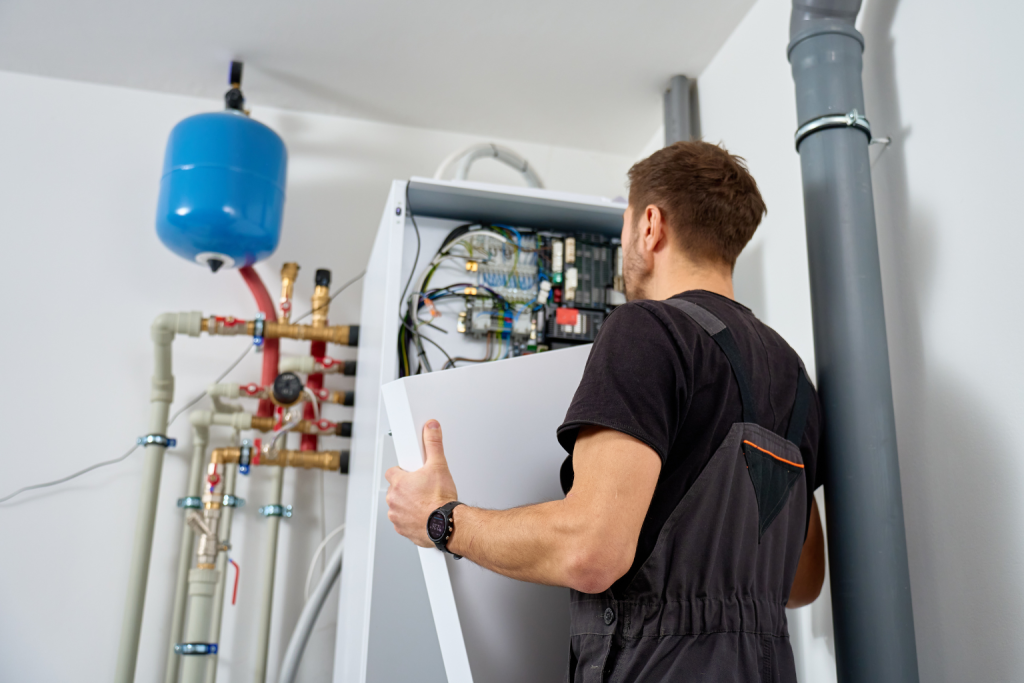
If your heater has started acting up, one of the first questions that comes to mind is, “Okay… but how much is this going to cost me?”
Totally fair. Heating repairs can feel confusing because every system, home, and situation is a little bit different. But as we are about to enter 2026, we can make some assessment around the average pricing across the HVAC industry seeing the trends from 2025.
Below is a simple, honest breakdown to help you avoid surprises and feel confident before calling a pro. We are soon going to launch a calculator on our website to give you a pricing range that can help make better decisions regarding heater repair work for your home.
What can you expect to be a typical cost of heating repair in 2026?
Most homeowners can expect $150 to $950 for common heating repairs, depending on the issue. Smaller fixes like sensors or ignitors are on the low end, while blower motors or heat exchangers sit on the higher side.
The main factors affecting price include:
-
- The part that’s failing
-
- Labor time – Usually bigger companies end up charging higher because they have the big brand name but don’t get fooled by all the fancy gimmick. A reputed small HVAC company would give you better service and at affordable rates.
-
- System type (gas furnace, electric furnace, boiler, or heat pump)
But let’s get more specific…
How much do the most common heating repairs cost?
Here’s what homeowners would be paying 2026 (at least this is what we would charge):
1. Thermostat Repair or Replacement Cost
$120–$350This is one of the easiest issues to fix. Sometimes it’s just wiring; other times you’ll need a new thermostat.
2. Ignitor or Flame Sensor Repair Cost
$150–$350Ignitor or flame sensors are small parts but essential for gas furnaces. You can expect quick, same-day repair in most cases.
3. Blower Motor Repair or Replacement Cost
$400–$1,100A blower motor repair is usually on the lower end, while a full replacement (especially variable-speed motors) pushes toward the top.
4. Heat Exchanger Issues Cost
$600–$2,000+This is one of the most expensive furnace repairs. Once costs hit this range, many homeowners consider heater replacement, we will evaluate that below on whether to replace or repair.
5. Heat Pump Repairs Cost
$250–$1,200Heat pumps have more electronic components, which can raise heater repair costs depending on the level of failure.
6. Emergency or After-Hours Service
$150–$300+Winter breakdowns rarely happen at convenient times. After-hours diagnostic appointments usually have a higher service fee, but the actual repair prices remain similar. Our emergency rates are extremely fair compared to what the big names are charging right now and we are available 24*7, so feel free to call us anytime you need emergency heater repair.
Why Is There Such a Wide Price Range?
Good question — and the short answer is parts, complexity and location of service.
For example:
-
- A single-stage furnace part is cheaper than a variable-speed, high-efficiency model.
-
- Older systems may require hard-to-find parts.
-
- Some repairs take 10 minutes; others take a few hours.
-
- Location of service – If you are based in say San Antonio, the cost of labour will be higher compared to if you were based in Lubbock, Texas.
The goal isn’t to confuse homeowners or cheat them, it’s just that HVAC systems vary more than most people realize. A trustworthy technician should give you a firm, written estimate before any work begins.
How Do I Know If I’m Being Overcharged?
Look for these signs to assess whether you’re getting a fair deal or not:
-
- The technician shows you the broken part.
-
- They explain the issue in plain English without a lot of technical mambo-jumbo usually meant to confuse the homeowners.
-
- You get options (repair vs. replace), without the pressure to always opt for the high value option.
-
- The quote includes parts, labor, and warranties.
If any of those feel missing or rushed, it’s okay to ask questions. A reputable HVAC company won’t mind.
Should I Repair or Replace My Heating System?
Here’s an easy rule of thumb:
If the repair is more than 30% of the cost of a new system, or your heater is 12–15 years old, it’s worth comparing replacement options.
Repairs make sense when:
-
- Your system is in otherwise good condition
-
- The issue is minor or inexpensive
-
- Your unit is relatively new
Replacement makes sense when:
-
- You’re facing a major repair (heat exchanger, compressor, blower motor failure)
-
- Your heating bills have been climbing
-
- Your home has hot or cold spots, strange noises, or frequent breakdowns
Make sure you ask all the right questions to the technician even if they look silly and basic.
How Can I Lower My Heating Repair Costs?
Surprisingly, yes. Here’s how homeowners can save some money in 2026:
-
- Regular maintenance reduces emergency repairs dramatically.
-
- Catching issues early prevents parts from failing in pairs.
-
- Changing filters on schedule protects the blower motor.
-
- Using a smart thermostat helps the system run smoother.
Tiny habits = longer system life.
To summarize, if you’re budgeting for heating repair in 2026, a safe expectation is:
-
- $150–$350 for small repairs
-
- $400–$1,100 for medium repairs
-
- $1,200+ for major repairs
Transparent pricing is the key and at Leaky’s, we value that extremely and will never charge a dollar more to our customer than we should have.