


After years of working on residential plumbing systems, we’ve noticed that some of the most expensive kitchen plumbing problems often start with a habit that seems completely harmless.
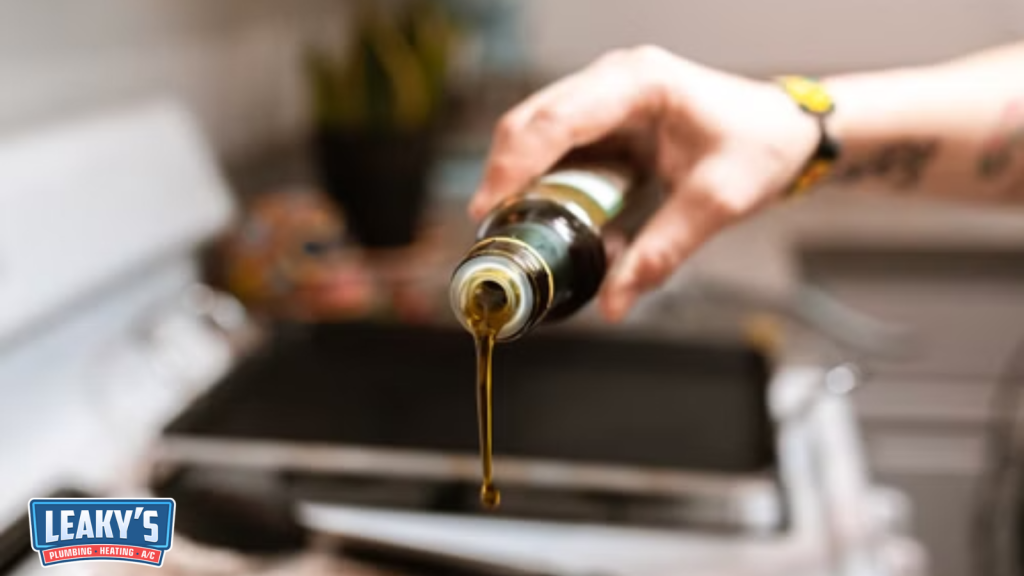
It happens almost every day in homes everywhere. You’ve just finished frying some snacks, cooking breakfast, or preparing dinner. The pan is greasy, and the easiest thing to do seems to be pouring the leftover oil or grease down the kitchen sink and rinsing it away with hot water.
The problem is that it doesn’t actually go away.
Many homeowners assume that if the grease disappears from sight, it’s gone. In reality, it travels through your pipes while it’s still warm and liquid. As it cools, it begins to stick to the inner walls of the plumbing system. Over time, layer after layer builds up until the pipe diameter becomes smaller and smaller.
Think of it like cholesterol building up inside arteries. At first, everything seemed fine. Water still drains. There are no obvious signs of trouble. Then one day, the sink starts draining slowly. A few weeks later, water begins pooling in the basin. Eventually, you’re standing in your kitchen wondering why a simple sink has suddenly become a major headache.
We’ve visited countless homes where the homeowner was convinced the problem appeared overnight. But when we inspect the drain line, it’s clear the blockage has been developing for months or even years.
One of the first warning signs is a kitchen sink that takes longer to empty after washing dishes. Many people ignore it because the water eventually goes down. Then they notice a strange gurgling sound coming from the drain. Sometimes an unpleasant smell starts lingering around the sink area, no matter how much cleaning is done.
These are all signs that grease and food particles are beginning to accumulate inside the pipes.
In busy family homes, the issue can become even worse. Grease acts like glue inside the plumbing system. Small food scraps that would normally wash away start sticking to the greasy pipe walls. Before long, you have a thick blockage made up of oil, food waste, soap residue, and other debris.
In one case, we got a call from a homeowner whose water was backing up into the kitchen sink every time the dishwasher ran. They assumed the dishwasher was malfunctioning. The real problem was a heavily clogged drain line packed with years of grease buildup. Every time the dishwasher discharged water, it had nowhere to go.
Another common situation occurs during family gatherings or holiday cooking. The kitchen gets more use than usual, and suddenly the sink stops draining entirely. Homeowners often think the extra cooking caused the blockage. In reality, the pipes were already narrowed by grease deposits, and the increased water usage simply exposed the existing problem.
What surprises many people is that hot water doesn’t solve the issue. While hot water may temporarily melt grease and move it further down the line, it eventually cools somewhere in the plumbing system and solidifies again. The blockage simply shifts location and often becomes harder to reach.
The good news is that preventing grease-related plumbing problems is simple. Allow cooking oil and grease to cool, then dispose of it in a sealed container with your household waste. Wipe greasy pans with a paper towel before washing them. These small habits can save you from expensive drain cleaning services and unexpected plumbing emergencies in Lubbock.
The kitchen sink is one of the hardest-working fixtures in any home. It handles dishes, food preparation, cooking cleanup, and daily family activities. Treating your drains properly can significantly extend the life of your plumbing system and help you avoid those frustrating moments when water refuses to go where it’s supposed to.
From our experience, some of the biggest plumbing repairs start with the smallest daily habits. And pouring grease down the sink is one of the most common examples.
If you face any clogged drains in your San Antonio home or just can’t get the drainage to stop gurgling in Lubbock, call us for a free estimate.