The Top 5 Signs Your Heater Needs Service Before the Next Arctic Blast Hits San Antonio
Why Heater Servicing Matters for San Antonio
Winters in San Antonio, TX are often milder than in northern U.S. states, brutal “arctic blasts” which you would probably see in New York, however, cold fronts do hit from time to time as we saw last year when temperatures went below freezing point in Texas. When they do, a malfunctioning or poorly maintained heater can leave a home uncomfortably cold … or worse, fail completely. Spotting problems early can save homeowners from emergency repairs, high heating bills, and safety risks. Home-heating problems often don’t start overnight: your system usually offers warning signs long before a full failure.
Here are the top five warning signals that your heater needs professional service and why you should act before the next freeze.
Is your heater generating strange or loud noises?
If your heater was “quiet enough” before but now produces unfamiliar sounds such as banging, rattling, screeching, grinding, then it’s a warning. Such noises often point to mechanical problems: worn bearings, loose components, a failing blower or belt, or ignition problems.
- Why it matters: Continued operation under these conditions can worsen damage (e.g., broken belts or motor failure) or for gas furnaces even lead to dangerous malfunctions.
- What to do: Turn off the heater if noises are harsh or booming, and call a qualified HVAC technician for inspection before the next heavy use.
Is the heater switching on-off rapidly?
A heating system normally runs in cycles: warm up, run, then shut off once required temperature is reached. If your heater is switching on and off rapidly and frequently known as short cycling, then it’s something that you should get it checked.
- What causes it: Clogged filters, blocked vents/ductwork, a malfunctioning thermostat, or a blower motor issue.
- Why it’s dangerous: Short cycling overworks the system, leading to inefficiency, increased wear, and higher risk of breakdown, definitely not something you want when you are trying to stay warm indoors.
- What to check: Verify air filters are clean, vents are unobstructed, thermostat is working correctly. If the problem persists, call a technician.
Are you experiencing uneven heating or cooling in your home?
If some rooms stay warm while others remain cold even though the heater is running continuously, then something might be off. Weak or inconsistent airflow from vents, leaky or blocked ductwork, or a failing blower motor/heat exchanger may be to blame.
- Why it matters: Not only is it uncomfortable, but uneven heating forces the system to work harder to compensate, reducing its lifespan over time.
- What to do: Check filters, ensure vents/ducts are clean and unobstructed, and have a professional evaluate the blower or ductwork if the problem continues.
Did you get a really high energy bill this month?
One of the most reliable “data-driven” warnings: when your electricity or gas bills spike even though usage habits remain the same. It definitely indicates that your San Antonio's home heating system is losing efficiency and consuming more watts for the output it’s generating.
- What causes this: Dirty filters, worn-out components, inefficient combustion (in gas systems), or a system that’s struggling to maintain temperature due to underlying issues.
- Why it matters: Continuous inefficiency is costly, and can indicate a heater that’s on its way out. If the system is too old then you might be better off going for some newer model that consumes less power, however, if it’s a new system then better to get it checked before December cold hits Texas.
Are you getting strange odors or musty smells from vents
A “clean” heater should blow warm air without foul smells. If you detect burning-like, musty, moldy, or gas-like odors when the heater runs, take notice. Persistent smells, especially burning or sulfur/gas odors could be a major problem, overheating electrical components, poor combustion, or even a gas leak (for furnaces).
- Why it matters: Ignoring such odors can pose safety risks (fire hazard or even carbon monoxide poisoning if combustion is compromised) or lead to health issues from poor air quality.
- What to do: Turn off the heater immediately. If odors persist or if you smell natural gas, evacuate immediately and call a certified HVAC professional or your gas provider.
What the Data Shows And Why Proactive Maintenance Pays Off
- Heating systems that are neglected tend to suffer shortened lifespans because small early problems often snowball into major failures.
- According to industry maintenance guidelines, having a system inspected annually ideally just before winter can significantly reduces the risk of unexpected breakdowns.
- Many emergency repairs result from avoidable factors: clogged filters, blocked ducts, or worn belts. Regular maintenance can catch these early and keep the heater running efficiently and safely.
Given the unpredictability of Texas winter weather (which is now more than ever due to dangers posed by global warming) and occasional “arctic blasts”, it’s smart for homeowners in San Antonio to NOT wait until the cold hits hard. Proactive maintenance and early repairs pay off in comfort, safety, and lower long-term costs.
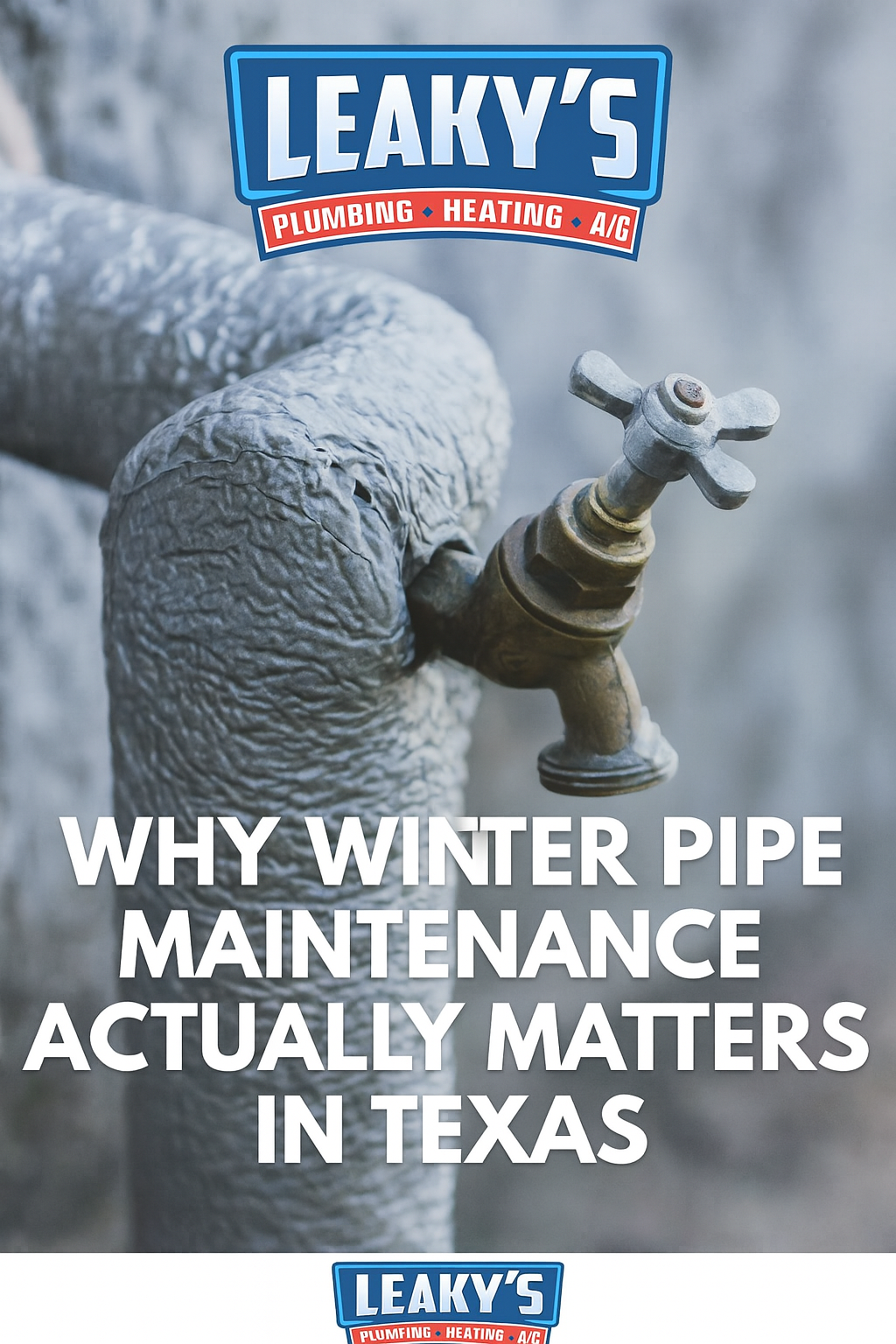
Why Winter Pipe Maintenance Actually Matters in Texas
Winter in Texas usually isn't something that keeps us up at night. Remember last year's snowstorms? Those record-low temps caught most of us completely off guard. Insurance companies tallied up more than $10 billion in property damage across Texas during the freeze, and burst pipes accounted for a significant portion of that cost. People in Lubbock and San Antonio were scrambling for emergency plumbing help—often after the damage was already done.
As we head into another winter season, getting your home's plumbing ready isn't just a good idea anymore—it's essential. Here's why winter pipe prep matters and what you can do right now to avoid expensive headaches down the road.
Why Frozen Pipes Are Such a Big Deal in Texas
Our Homes Just Aren't Built for Freezing
Here's the thing: many Texas homes have plumbing in attics, exterior walls, and other exposed spots. Great for our usual warm weather, not so great when temperatures suddenly nosedive below freezing.
Texas Weather Has a Mind of Its Own
We're talking about going from 75°F to 20°F in a single day. That kind of temperature shock can freeze your pipes before you even realize there's a problem brewing.
The Science Behind the Burst
When water freezes, it expands by about 9%. That creates serious pressure inside your pipes—way more than they're designed to handle. The result? Bursts, leaks, and the kind of water damage nobody wants to deal with.
What You Can Do Right Now to Protect Your Pipes This Winter
- Insulate Those Exposed Pipes
Focus on:
- Plumbing lines in your attic
- Outdoor spigots
- Pipes in unheated garages
- Crawlspace plumbing
Foam sleeves, heat tape, or pipe-wrap products can cut your freeze risk by 70–90%. Pretty solid insurance for a small investment!
- Keep Your Home Warm, Even When You're Not There
Heading out of town? Keep your thermostat above 55°F. We know it seems wasteful to heat an empty house, but it's way cheaper than dealing with burst pipes.
- Let Your Faucets Drip When It Gets Really Cold
A little trickle from both hot and cold faucets prevents pressure buildup. You only need about a ¼" stream to make a real difference.
- Open Up Those Cabinet Doors
Your bathroom and kitchen sinks hide pipes in those closed cabinets. Opening the doors during cold nights lets warm air reach them—simple but effective.
- Disconnect and Drain Your Garden Hoses
A frozen hose can create pressure that backfeeds into your home's plumbing system. Not fun. Disconnect them, drain them, and call it a day.
- Seal Up Cold Air Leaks
Grab some caulk or expanding foam and seal gaps around:
- Vent openings
- Exterior wall penetrations
- Foundation cracks
- Dryer vents
Even a tiny draft can freeze nearby pipes.
- Know Where Your Main Water Shutoff Is
This is huge. If you have an emergency, shutting off the water fast can be the difference between minor damage and a disaster. Find it now, not when you're panicking.
What To Do If Your Pipes Freeze (Don't Panic!)
- Turn off your main water supply immediately
- Open your faucets to relieve pressure
- Use gentle heat (hair dryer or space heater) to thaw pipes—never use open flames
- Call a licensed plumber ASAP
Here's something important: frozen pipes can crack without you seeing anything. Running water through a damaged pipe might cause flooding minutes later, so it's always better to have a pro check things out.
When You Need Help Fast
Look, despite your best efforts, stuff happens. If you're in Lubbock or San Antonio and find yourself dealing with frozen pipes, burst lines, or heating issues, give us a call at Leaky's Plumbing, Heating & A/C. We're available 24/7 because we know problems don't follow business hours. Our NATE-certified technicians are ready to help, even at 2 a.m.
Don't Wait Until It's Too Late
Texas winters might be unpredictable, but your home doesn't have to be caught off guard. With some smart preventative steps and a trusted team on speed dial, you can seriously reduce the risk of frozen pipes and avoid the costly mess so many folks dealt with last year. Winter's coming around again, so now's the perfect time to take action. Give us a call at (806) 454-9688 in Lubbock or (210) 361-6947 in San Antonio to schedule a winter plumbing inspection or to ask any questions about protecting your home. After all, when it comes to your home's plumbing, it's always better to be proactive than reactive!