


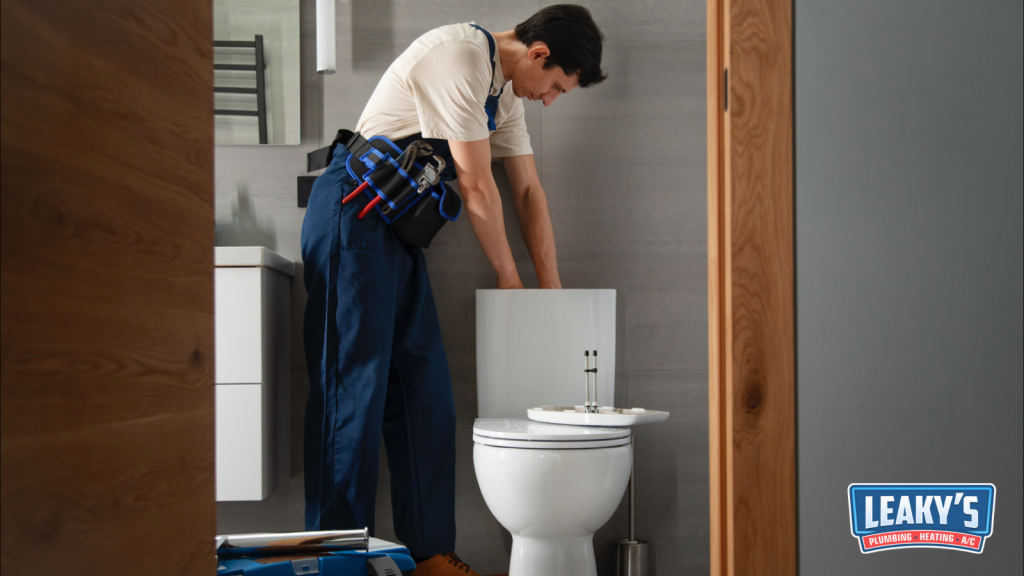
The problem of running toilets is a rather simple matter. The constant dripping of water may not initially appear problematic, but it can lead to wasted resources and higher expenses. The good news? It can usually be solved more easily than you might think. If you’d rather skip the DIY route, toilet repair services and bathroom plumbing repairs can quickly fix a leaking toilet and help reduce high water bills with plumbing repairs.
Once you figure out how your toilet works, everything becomes easy again.
Understanding the Components
Lift the lid off your toilet tank, and you’ll find the following parts working in harmony:

- The flapper, a rubber seal controlling water flow into the bowl
- The chain, connecting the flush handle to the flapper
- The fill valve, which refills the tank after each flush
- The float, regulating how much water enters the tank
- The overflow tube, a safeguard against overfilling
Understanding these parts is the first step toward a successful repair, and a professional plumbing inspection or plumbing system diagnostics can help identify hidden issues during routine home plumbing maintenance. For homeowners in Texas, scheduling Leak Detection Services in San Antonio or Leak Detection Services in Lubbock as part of your annual checkup can catch toilet leaks and other hidden water waste before they show up on your bill
The Flapper: Where Most Problems Begin
The flapper is usually the one at fault. Rubber flappers tend to bend, get hardened, or accumulate dirt, thus not creating a tight seal. This causes water to enter the bowl through the cracks, and hence the tank ends up refilling continually.
To fix this:
- Simply switch off the water supply
- Flush out the tank before proceeding to examine the flapper.
- If the flapper is found to be worn out or not forming a perfect seal, then changing it will be the easiest thing to do.
If it’s worn or not sealing properly, a toilet flapper replacement is typically the easiest fix. This simple step often solves the issue and acts as effective bathroom leak repair and leak detection services to stop toilet water waste.
Chain: An Issue of Tension
While the chain doesn’t look like much, the length does matter. If it’s too tight, the flapper will not fully seal. If it’s too loose, it could become entangled.
Ideally, the chain should allow some slack, ensuring that the flapper hangs loosely yet lifts easily upon flushing.
Fill Valve and Float: Fixing Imbalance
When the water gets too high, water spills into the overflow tube resulting in constant flow. This typically implies that the float is improperly adjusted or the fill valve is failing to shut off correctly.
To fix this:
- Reposition the float to ensure that the water level sits slightly lower than an inch from the overflow tube.
- For different models, the process may require adjusting a screw or clipping a piece.
- In case adjustment fails, you may have to clean or replace the faulty fill valve, a relatively simple task that makes a world of difference.
A Simple Test
For a quick check, add a few drops of food coloring to the tank and wait. If color appears in the bowl without flushing, you’ve confirmed a leak at the flapper.
When Replacement Is the Better Choice
In older toilets, individual fixes can add up. Replacing both the flapper and fill valve is often the most efficient route, restoring the system to like-new condition with minimal cost and effort.
Other issues
Sometimes, even some small additional factors are enough for a successful job. These are the following:
- Mineral deposits: In case your toilet was used in hard water conditions, then some minerals may gather on the seals and valves. It is enough just to wash the seals with vinegar. Homes in San Antonio and Lubbock deal with particularly hard water — installing a Water Softener in San Antonio or a Water Softener in Lubbock can reduce mineral buildup across all your plumbing fixtures, including toilets.
- Flush handle: Make sure there is no trouble with it: if it is stuck or loose, it will keep the chain tight.
- Look out for intermittent refills: Your toilet flushes again and again every few minutes – you have a leak.
- Proper alignment: Sometimes, all that needs to be done is just to fix the alignment of the flapper.
- Rubber and plastic products are known to age over time, thus if your toilet has been working for many years already – make sure to update at least some of its components.
- Water pressure: High water pressure inside your toilet may lead to a breakdown in some components.
When to Call a Plumber
Even though many problems with a running toilet can easily be solved by yourself, there are occasions when hiring a plumber would be more thoughtful:
- A consistent flow of water after the repair: If changing the flapper and the fill valve did not help, there might be a need for further work from inside.
- Cuts and cracks on the tank or the toilet itself: A tiny crack might cause leakage, but it won’t be noticeable at once and will gradually become worse.
- Water accumulation near the bottom: It might show that there is something wrong with the wax ring or the pipes underneath the toilet.
- Strange noises or vibrations: If there is whistling, banging, or hummings from inside, this could mean that there are some problems with the water pressure in your plumbing system.
- Old and corroded connections: If they look rusty or weak, then trying to fix them yourself might result in further damage to your pipes.
This is the right time to call a professional plumber, book same-day plumbing services, or request emergency plumbing repairs. You can schedule plumbing repair today with local licensed plumbers to prevent further damage.
While many of these fixes are simple enough for a Saturday afternoon, your time is valuable, and some plumbing mysteries require a professional eye to truly solve.
At Leaky’s Plumbing Services, we specialize in plumbing repairs. Whether you need a quick component swap or a full system diagnostic, our team provides the expertise to ensure your bathroom stays leak-free and your water bills stay low.
Don’t let your money flush away.Contact Leaky’s Today!