


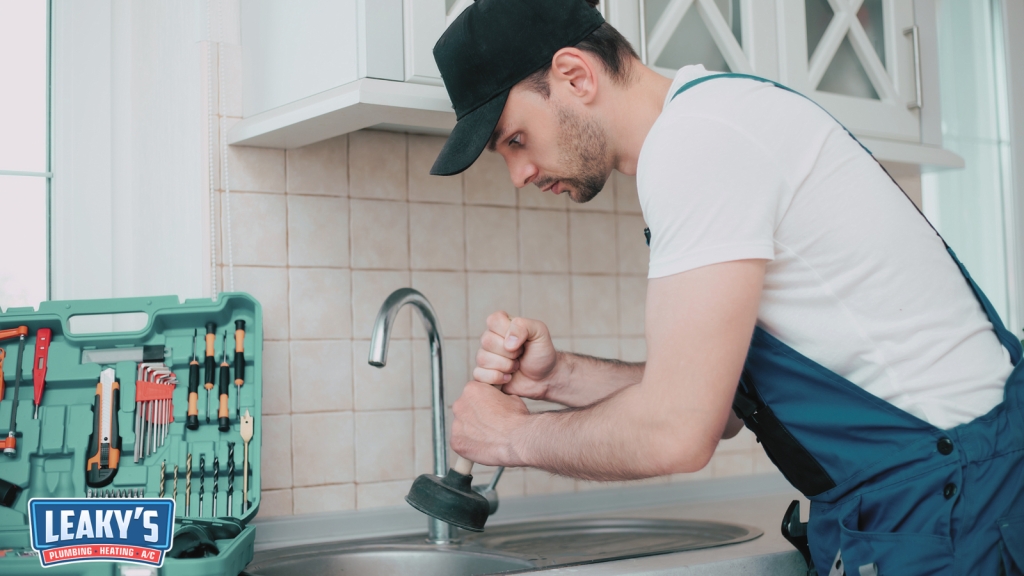
One day you are rinsing dishes and suddenly the water just… sits there. A clogged drain isn’t a rare phenomenon and sometimes fixing it yourself can be easy, saving time and money.
All you need is two handy tools: the plunger and a hair snake. Both of these are available at any hardware store.
Let’s learn how to use them without overcomplicating things.
Step 1: Always try the Hair Snake first
The snake (also called an auger) is a thin piece of plastic or wire which inserts directly into the hole of your toilet or sink drain; the barbs, hooks, or bristles of the hair snake catch anything caught in the drain. It’s great for tackling stringy clogs, but a hair snake could possibly break apart any clog in a pinch.
- Insert the snake into the drain slowly, turning the handle as you go.
- Keep pushing until you feel resistance, that’s the clog.
- Twist and wiggle the snake to break up or hook the blockage.
- Pull it out carefully (it might get a little messy).
- Run hot water to flush away any leftover gunk.
Step 2: Use a Plunger:
- First off, before plunging, shake your pipes gently to check how structurally sound they are. If your pipes rattle excessively when you shake them and if the joints in them aren’t securely attached, then it might be better to use drain snakes rather than a plunger.
- Block off the overflow holes, if you have them in your sink.
- Place the plunger mouth over the hole in the sink that is connected to the pipes, ensuring that the tip of the plunger is immersed in water and making a tight seal.
- Force the plunger down into the hole using quick pushes. Five to six should be enough.
- If necessary, repeat steps two to four several times.
- If your clog still persists, it’s time to stop.
If you have a double sink, block the other drain with a wet cloth so the pressure stays focused.
When Plungers and Snakes Fail: Taking Apart the Drain Trap
There are times when the clog won’t budge. When neither the hair snake nor the plunging have done the trick, what you will do next is inspect the trap below the sink – which may seem frightening at first until you realize that all you need is a wrench and a bucket.
At this stage we recommend calling a plumber, but here is step by step guide of what you can do in the mean time:
Materials required:
- Water-resistant gloves (latex and nitrile are fine)
- A bucket to hold the wastewater
- A rag for cleaning up spills
- A wrench, which could be adjustable or pliers if the connections are stubborn
Step 1: Take a Picture
Before handling the pipes, take a picture. It will help you in putting the pipes back together properly.
Step 2: Remove the Stopper
Remove the pop-up stopper since hair usually gets caught there and does not get snagged when using a snake. You may want to change it into a stopper with an internal hair catcher while you are at it.
Step 3: Examine the P-Trap
Locate the U-bend located beneath your sink. It is where many clogs occur.
- If you have rings on your trap that are knurled or winged, you should attempt to take it apart manually. Use pliers or wrenches if it proves impossible.
- Always place a bucket beneath the pipe prior to taking apart any parts because dirty water is sure to pour out.
- Check inside the trap after removing it and unclog it using whatever tool available like a snake, sticks, or your own hands (wear gloves).
- Some traps are equipped with a clean-out port allowing you to clean the clog without disassembling the trap.
Note: When it is not located at the P-trap, the blockage may be nearer to the sink or further inside the wall. When the problem is located deeper, contact a licensed Plumbing in Lubbock or Plumbing in San Antonio professional to safely diagnose and clear it.
Step 4: Reassembly
- Ensure the gasket fits correctly (the thin side generally faces outwards from the center of the pipe).
- Secure the nuts.
- Check for any leaks by turning on the water.
Here’s how you could frame the “other fixes” section in a conversational but technically reliable blog style:
Other Solutions:
Not all tricks that you may come across online are advisable. While there might be a large number of home remedies for opening drains, some carry risks, hidden costs, and/or dubious effectiveness. What are the professional opinions on the most popular techniques?
Chemical Drain Cleaners
- Types: Drano, Liquid-Plumr, etc.
- Advantages: May work on sluggish drains.
- Disadvantages: Can be hazardous when dealing with a completely blocked drain. The chemicals will settle in the pipe, harm its parts, and pose a danger to anyone dismantling the system in the future.
- Experts’ opinion: To be used in emergencies only. Bioenzymatic cleaners are safer but generally inefficient on hard-to-remove blockages.—
Hot Water
- Advantages: Effective against grease clogs in kitchen sink drains, especially when dish soap is added.
- Disadvantages: Causes grease to solidify even further down the drain, making the situation worse. Boiling water may damage acrylic sinks, natural stones, and PVC pipes.
- Not recommended unless you know that your clog is greased and your pipes are made of metal.
White Vinegar & Baking Powder
- Advantages: Inexpensive, non-toxic, and might work against minor clogs.
- Disadvantages: Reaction between vinegar and baking soda creates carbon dioxide bubbles; the mixture will not clean the drain. The powder will clump inside the drain if mixed improperly.
- Safe to use, but Plungers work better.
Air Blowers and Hose Bladders
- Advantages: Powerful blasts of air push clogs out of the pipes.
- Disadvantages: Air blowers are costly, and hose bladders can be difficult to use properly. No guarantees about successful outcomes.
- Final Verdict: Great for demonstration purposes, but not very practical.
Fast Tips for Prevention
- Never dump grease into the drain.
- Employ a drain screen to collect hair and debris.
- Flushing with hot water at least once weekly is recommended.
When do you call a Professional:
In cases where plunging, snaking, and dismantling the P-trap have been attempted without success, it’s time to contact the pros. They can employ advanced techniques like camera inspection to ensure effective clearing of obstructions without chemical or physical damage. If water is also backing up in unexpected places or you notice slow drains throughout the home, that could point to a deeper issue professional Leak Detection Services in Lubbock can pinpoint the exact source before it turns into a costly repair.
No need for a clog to ruin your day! Call Leaky’s Plumbing!
Leaky’s Plumbing offers effective services to tackle any stubborn clogs you encounter. We have state-of-the-art camera technology and hydro-jet equipment ready to clear out your pipes. Whether it’s a persistent drain blockage or something more serious, our Leak Repair Services in San Antonio team is ready to help you get things flowing again — fast, clean, and guaranteed.